In my hometown, the train station is dully lit with grey benches up against plain brick walls. That bleak environment could not be more different than the São Bento Railway Station in Porto. This station is covered in intricately painted blue and white tiles that depict Portuguese history and local traditions. The scale of the tiles is also incredible. These murals come close to covering the entire wall from floor to ceiling. They are so gorgeous and intricate that the station has become a tourist attraction in addition to its purpose as a transportation center.
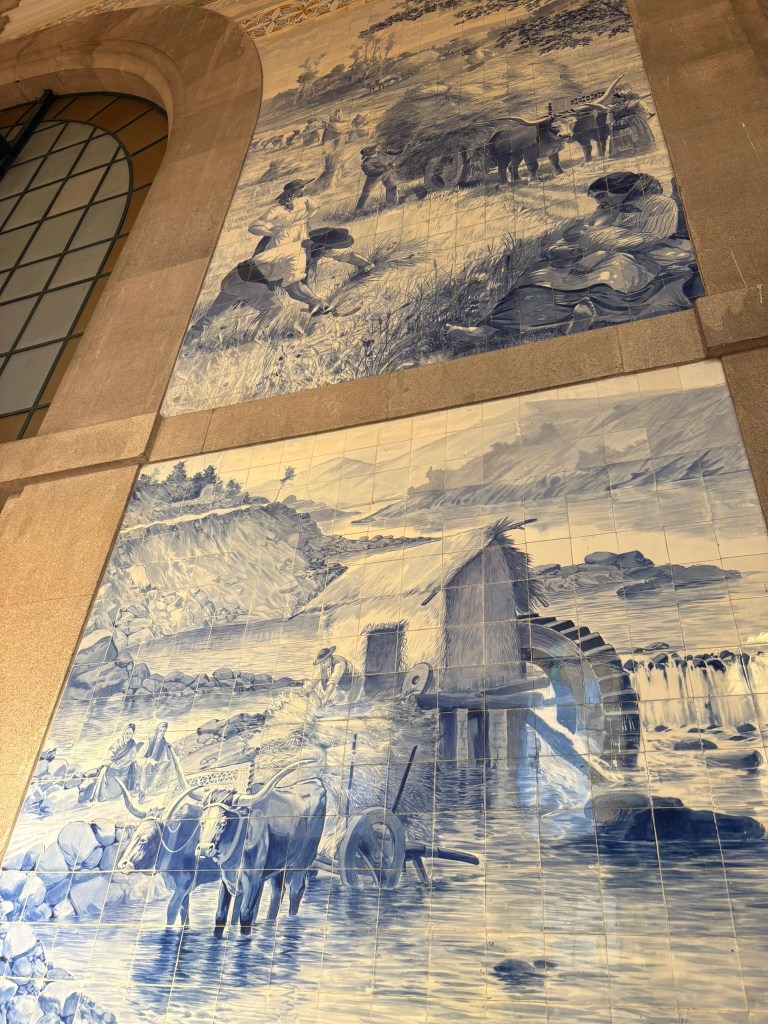
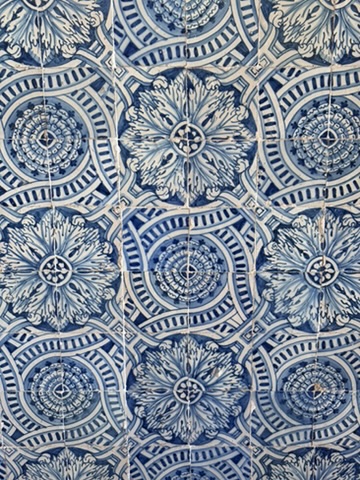
These tiles are called azulejos tiles, as the word azulejo comes from the Arabic al-zulayj, meaning a small polished stone. The earliest Portuguese tile art appeared in the 13th century, shortly after the Moors brought their culture to the peninsula. What Portugal did afterward was take a borrowed technique and turn it into something that is now its own.
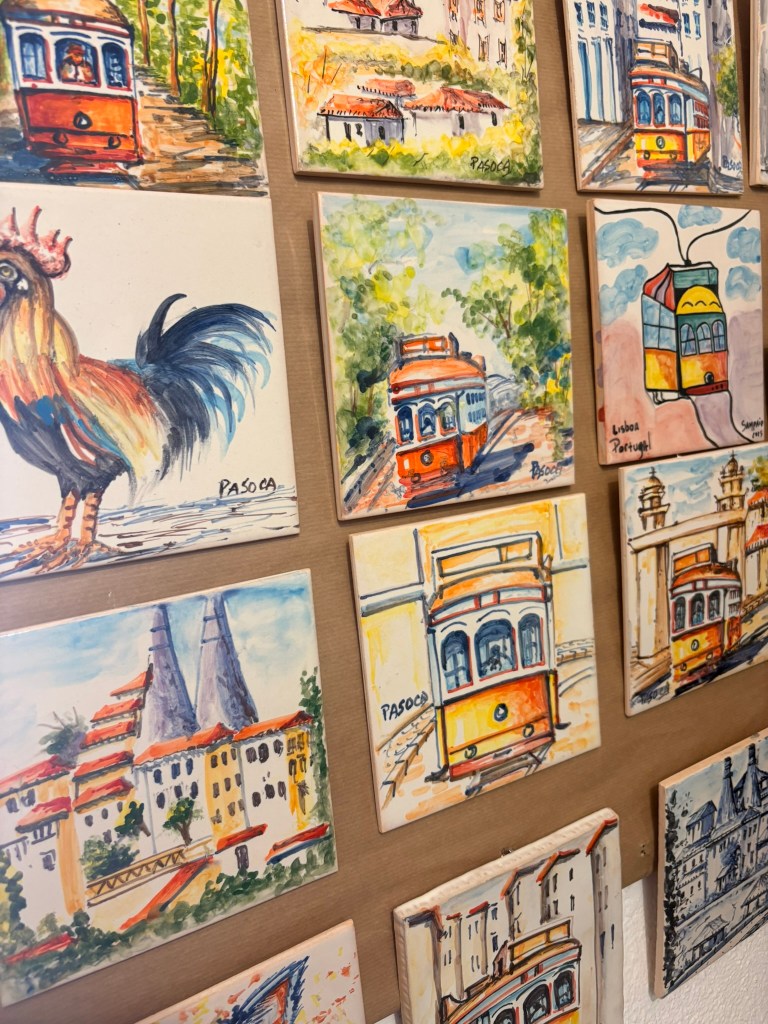
At first, the patterns were purely geometric, including interlocking shapes, stars. This is because the Muslims avoid depicting humans and animals to prevent idolatry, so as the technique came to Portugal the abstract ornamentation remained. But as Christian kingdoms reclaimed the peninsula, the tiles changed with them. The geometry gave way to figures and scenes that depicted saints, battles, everyday village life rendered tile by tile across entire walls. This technique that was originally decorative became a way of telling stories.
Then came the color everyone associates with Portugal now. During the Age of Discoveries, as ships returned from Asia loaded with imported goods, Portuguese tile art shifted decisively toward blue and white. This palette was almost certainly inspired by the Chinese porcelain flooding into Europe at the time. The blue-and-white look that now feels like the very definition of “Portuguese” was, in its origins, was inspired by cultures and communities from across the world.
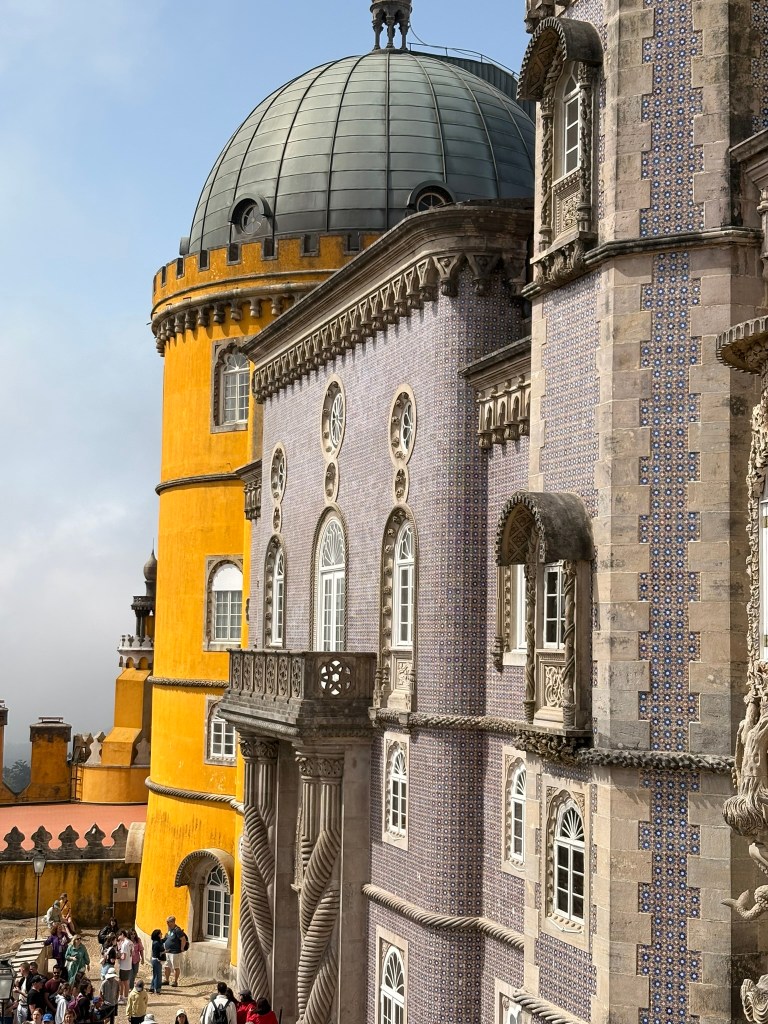
After the catastrophic 1755 earthquake leveled much of Lisbon, the Marquis of Pombal oversaw the city’s reconstruction. The tiles built for that era were different from what came before: plainer, sturdier, more functional than decorative. These became known as azulejos pombalinos, tied to a new architectural style engineered specifically to flex rather than collapse in future tremors.
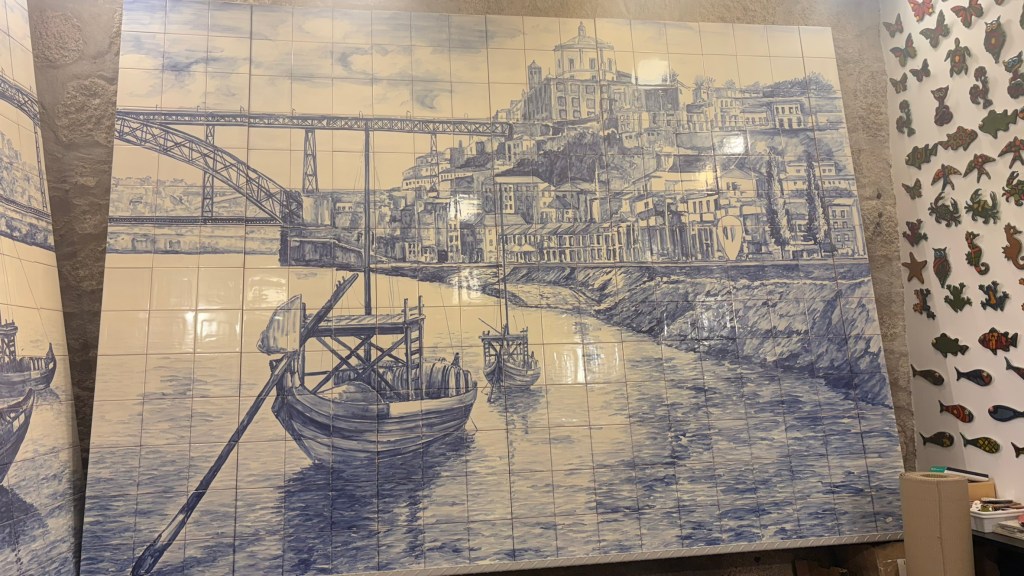
What struck me most, walking around Lisbon and later Porto, wasn’t any single tile or building. It was the amalgamation of Moorish geometry, Christian storytelling, Chinese-inspired blue and white, and post-earthquake pragmatism. All of it layered onto the same surfaces that you see across the cities of Portugal.

 Living in Culture
Leave a comment