The Westman Islands show how culture is shaped not only by traditions but also by the environment people call home. At first glance, the islands seem peaceful and picturesque, but beneath the surface lies one of Iceland’s most active volcanic regions. However, the community on the Westman Islands is so strong that inhabitants decided to stay on these islands and adjust their life to fit the environment around them.
The Westman Islands are off Iceland’s south coast and are comprised of about 15 islands formed by volcanic activity. The island Heimaey is permanently inhabited by around 4,500 residents, with it’s name meaning “home island”. Some of the other islands have a small house that functions as a “clubhouse” for a small group of members. Other islands are home to hunting lodges, but none has permanent residents like Heimaey.
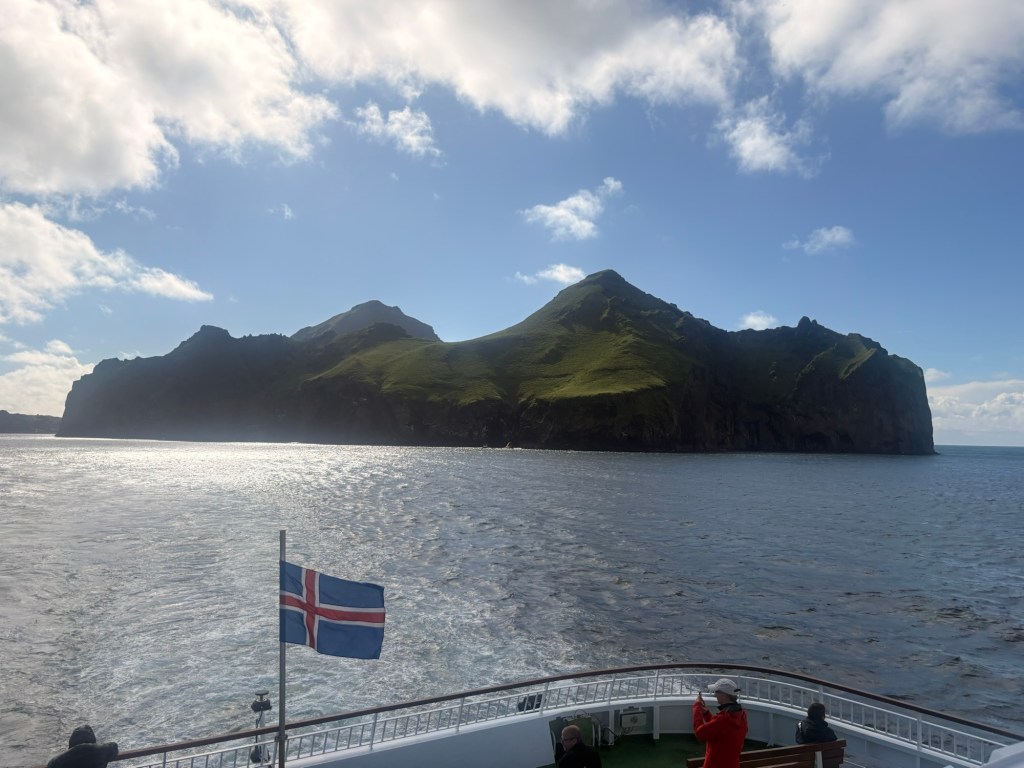
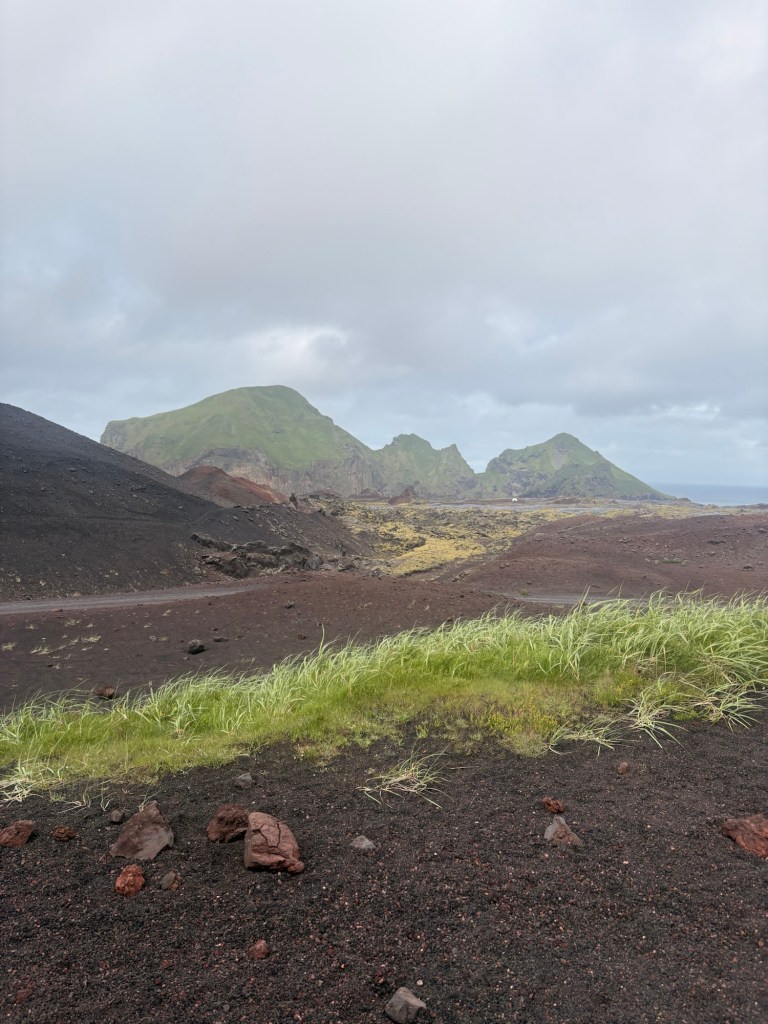
The landscape includes lava fields, volcanic craters, cliffs, and black sand beaches. The volcanic foundation of the islands continues to shape them today. While the islands have been largely quiet for the past several decades, the region remains volcanically active, sitting directly on a hotspot. Living on these islands means sharing the landscape with powerful natural forces.
On January 23, 1973, a volcanic eruption from Eldfell began with little warning. Residents evacuated almost overnight as the lava destroyed hundreds of homes. Ash covered most of the island, and the harbor of the island (which, for economic reasons, was the most important aspect of the island) was in danger.
However, engineers pumped seawater onto the lava to slow it, and the harbor survived. New neighborhoods were built, and residents returned, but for a while, there was a concern that residents would stay on the mainland, leaving the Westman Islands abandoned. However, officials were quick to set reconstruction and clean-up plans in action. By the summer of 1973, people began to return to the island after the five-month-long volcanic eruption. Schools on the island began again in the fall as if there was no hiatus.
Although many homes had been destroyed, many residents chose to return once it was safe. Their decision reflected more than economic necessity. For many islanders, Heimaey was home in the deepest sense of the word, a place where generations of families had built their lives, traditions, and connections to one another. Home is not defined solely by buildings or geography. It is created through memories, traditions, relationships, and a sense of belonging. Even after the eruption transformed the landscape, these social connections remained, giving residents a reason to rebuild their community.
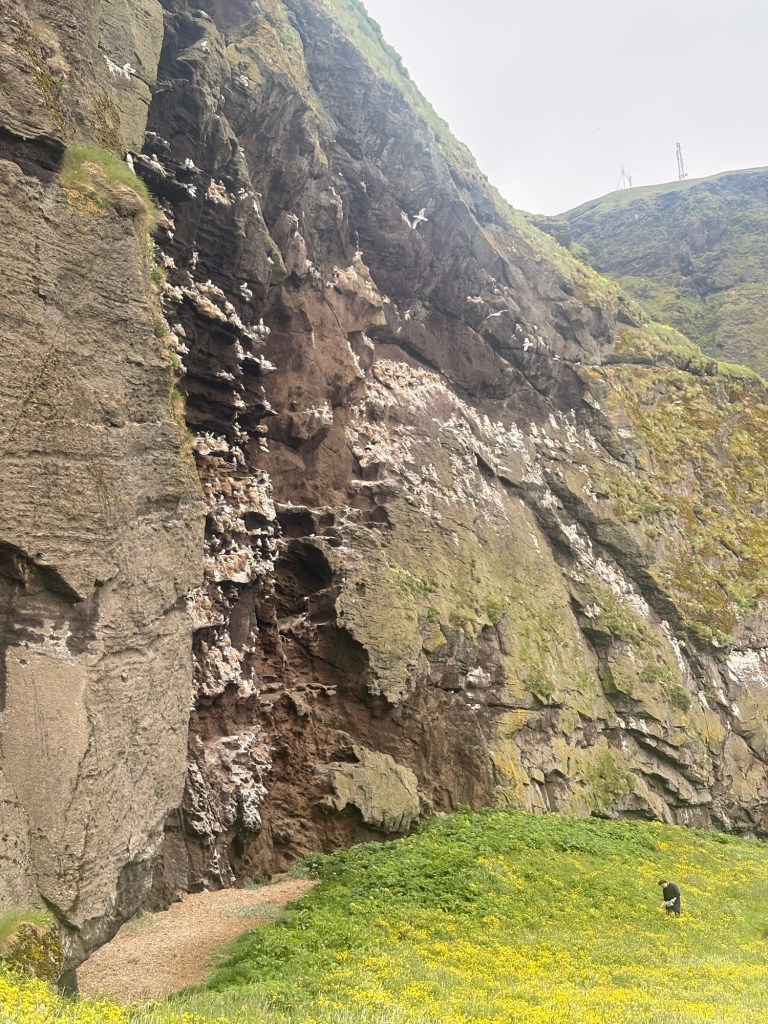
Fishing has long been the island’s main industry, with many families having worked in fishing for generations. Moreover, the fishing industry deeply affects the common cuisine on this island. Many enjoy fresh fish and seafood daily. Additionally, the small island community has close relationships and local traditions. For example, when children are about 12 years old learn to harvest eggs of seabirds like the Northern Fulmar and the Guillemot. Children learn to scale rugged sea cliffs simply using a thick rope.
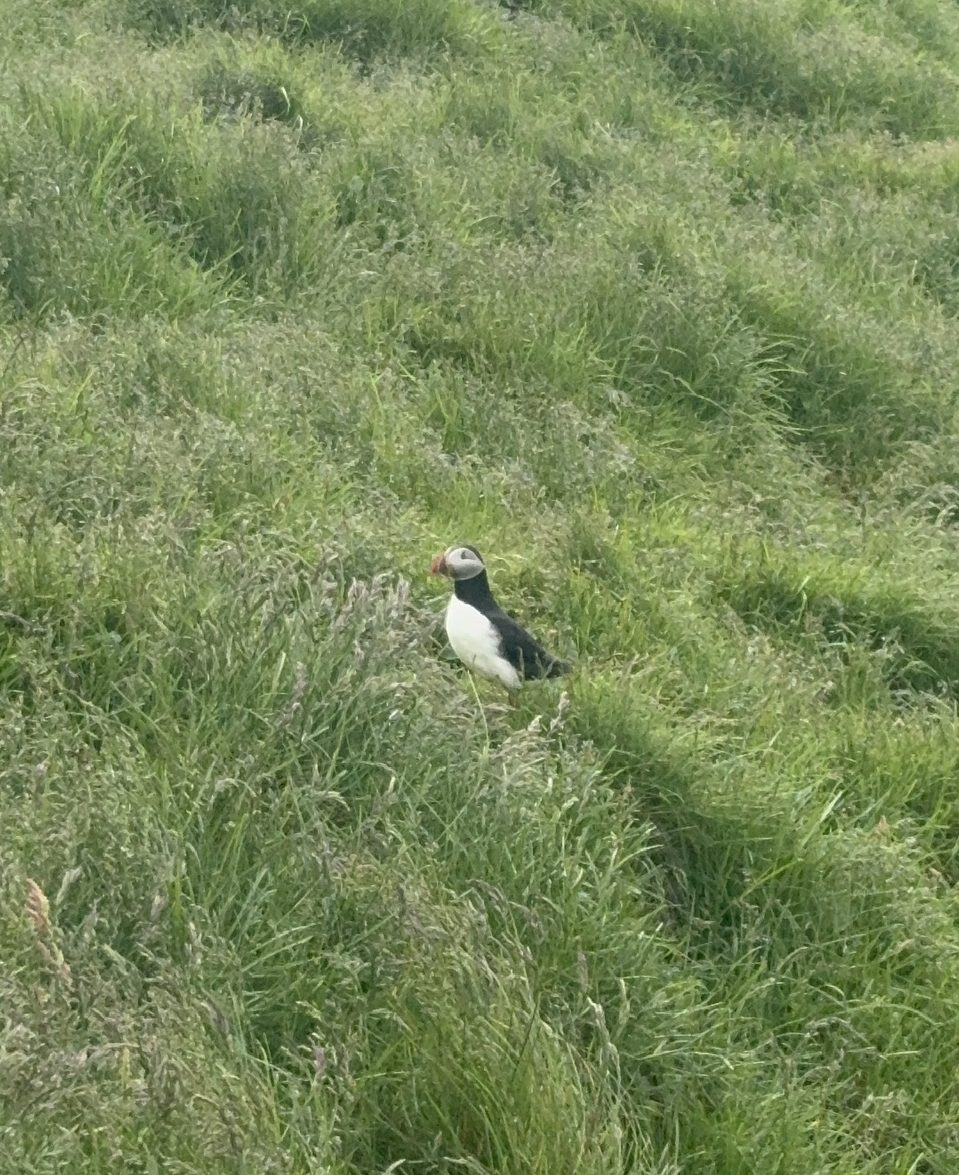
Nowadays, many tourists flock to the islands to see the many puffins who live alongside the locals. It is one of the world’s largest Atlantic puffin colonies. Before returning to the Westman Islands in the spring, puffins spend the autumn and winter months far out at sea. The community happily embraces and supports the puffin colony. Young puffins sometimes become confused by town lights, so residents, especially children, search for stranded pufflings. Families take the pufflings home to care for them overnight before they are released back into the ocean.
The story of the Westman Islands reminds us that culture is not separate from nature. Communities grow, adapt, and rebuild alongside the environments they inhabit. Today, visitors see dramatic cliffs, colorful puffins, and black lava fields. But beneath this beautiful landscape is the story of a community that chose resilience. The Westman Islands remind us that culture is built not only through traditions, but through the ways people respond to the challenges of the places they call home.


Leave a Reply