Walking through a busy market, you see vendors left and right, people arguing over prices, and the aroma of delicious food wafting through the air. Vendors are all over, selling textiles, food, fresh produce, and regional goods. However, markets are more than just places to shop. They are places where people, traditions, and ideas meet. They symbolize much more than economic exchanges; they are places where cultures connect and traditions continue.
What Makes Traditional Markets Special?
Traditional markets are very different from modern supermarkets we know today. Supermarkets are full of goods that are often from around the world. However, unlike supermarkets, traditional markets sell handmade goods and fresh foods. There are many stalls and tables for independent vendors, where vendors sell products they specialize in. Families may sell recipes, crafts, or products that have been passed down for generations. The products often reflect the local environment and culture. Many markets have much more than just produce. Often, there are traditional spices, local artwork, and handmade textiles, in addition to fresh produce grown nearby. In many cultures, shopping is also a social activity where people catch up with friends, neighbors, and merchants. Because markets bring together so many different people, they naturally become places where cultures interact.
Markets as Centers of Cultural Exchange
Many years ago, explorers would visit markets, purchase goods, and bring them back to their homes. One great example is the spread of spices between Asia, the Middle East, Europe, and Africa. Spices traveled from Asia across the Silk Road, including highly sought-after spices like cinnamon (Sri Lanka), black pepper (India), and nutmeg and cloves (Indonesia’s Molucca Islands). Foods and recipes evolve as ingredients travel between cultures, and the cuisines we know today would be very different without cultural diffusion enabled by markets.
Along with these goods came new ideas, cooking techniques, languages, fashions, and traditions. A market is not just where people exchange money; it is where people learn from one another. Markets often become gathering places where people from different backgrounds meet and interact. One of my favorite things to do when I travel is to go to a local market because I truly think you can learn so much about the locals of an area when you go to a traditional market.
Markets Around the World
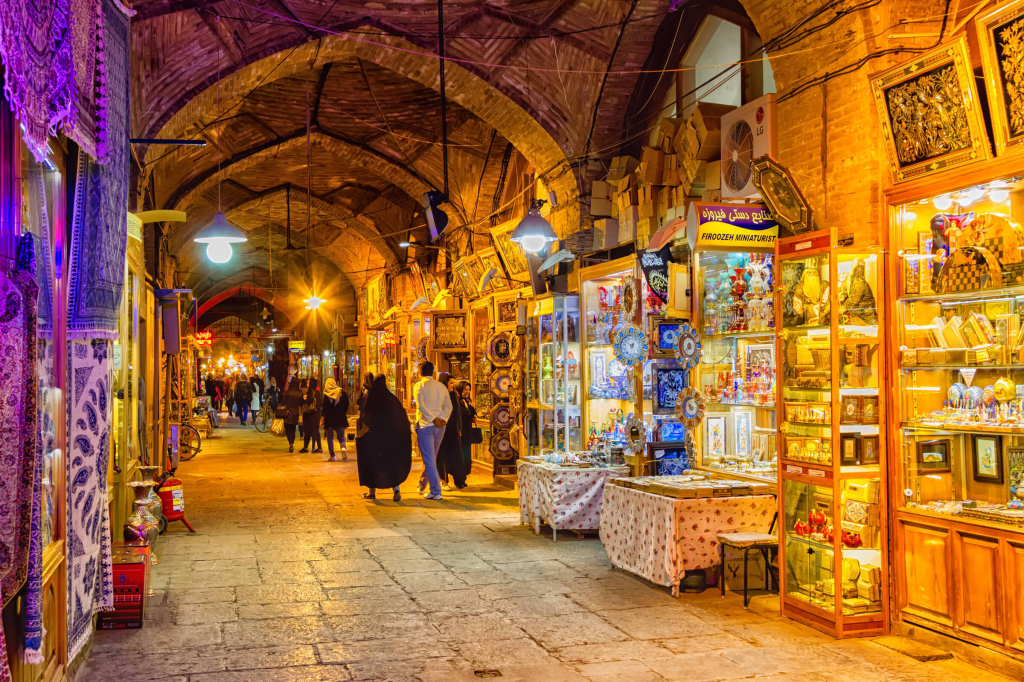
Across the world, there are so many different types of markets. For example, in my area, farmers’ markets are very common. These markets include freshly grown produce, local products, bakery goods, and handmade trinkets. On the other hand, souks are markets found throughout the Middle East and North Africa. They often consist of winding streets filled with vendors selling spices, perfumes, lanterns, leather goods, jewelry, and textiles. Bargaining is often an important cultural tradition at these markets. Bazaars are another type of market common in countries like Iran, India, Turkey, and Central Asia. Many of these bazaars have existed for hundreds of years. They often include restaurants, workshops, and gathering spaces in addition to shops. They function as both commercial and social centers. In places like Thailand and Vietnam, there are floating markets where vendors sell goods directly from boats. They developed because rivers served as important transportation routes. They are great examples of how people adapt their daily lives to their environment. Although these markets look different, they all serve the same purpose of bringing people together.
Why Markets Still Matter
Markets amazingly preserve traditions. They support local businesses, create community, and they help keep cultural heritage alive even as the world changes. Anthropologists recognize that some of the best places to understand a culture are not always museums or historical sites, but the everyday spaces where people interact. If you have the chance, I encourage you to try to find a local market near you. You will not only walk away with great products, but if you take the time to have a conversation with the vendors, you will also leave with a deeper understanding of the people, traditions, and stories that make each market unique.


Leave a Reply