As I have previously mentioned, I volunteer at the Penn Museum. Through the museum, I have learned about two incredible organizations. I wanted to share a little information about them below.
Penn Cultural Heritage Center
MORE INFORMATION: https://www.penn.museum/sites/chc/
The Penn Cultural Heritage Center (PennCHC) is a research center at the Penn Museum. It is committed to the preservation of cultural heritage and was founded by Richard M. Leventhal in 2008. The Center collaborates with researchers across the University of Pennsylvania and beyond whose research intersects with contemporary heritage issues.
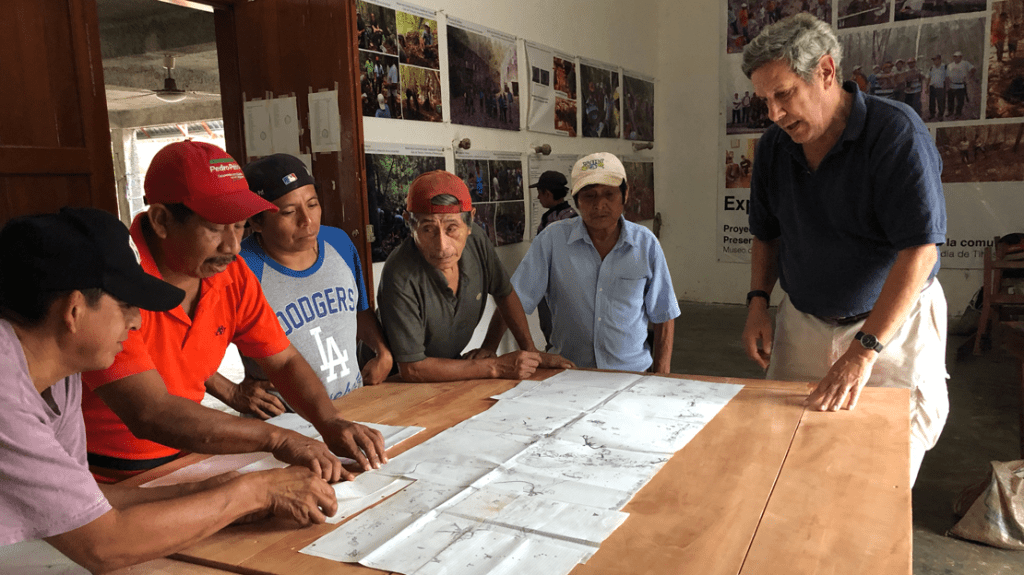
Its mission is to work with communities worldwide to identify, preserve, and protect cultural heritage. The Penn CHC has a strong emphasis on community-driven, ethical heritage preservation. The Center conducts research, undertakes field projects, engages in public policy, and addresses complex issues such as heritage destruction, repatriation, museum collecting ethics, and museum-community relations.
The Penn CHC runs field-research projects collaborating with Indigenous or local communities. Additionally, they have supported efforts to protect heritage in conflict-affected areas (like parts of Syria and Iraq). In addition, they study issues of ethics in how U.S. museums collect and hold cultural artifacts, especially in light of the history of looting or inequitable acquisitions. Their recent multi-year project (the Museums: Missions and Acquisitions Project, aka M2A) launched in 2024 to audit over 450 U.S. museum collections and propose a future-oriented ethical framework.
Center for the Analysis of Archaeological Materials
MORE INFORMATION: https://www.penn.museum/sites/caam/
CAAM stands for the Center for the Analysis of Archaeological Materials. It’s a collaborative center between Penn Museum and Penn’s School of Arts & Sciences. Its role is to provide lab and classroom-based facilities, equipment, and expert staff to teach and mentor students (undergraduate & graduate) in a wide range of archaeological-science disciplines. The Center blends natural sciences, social sciences, and humanities to study the past.
I had the privilege of touring the labs, and it was incredible to see the different labs, each with a very specific purpose. CAAM covers many subspecialties: ceramics, metals (archaeometallurgy), lithics (stone tools), botanical & zoological remains (archaeobotany, zooarchaeology), human skeletal analysis, conservation, and digital archaeology.
Their website has very interesting articles detailing their research. After my tour, I received a copy of their feature in Expedition Magazine. I loved reading through the copy. I then looked into their website, and they discuss other articles featured in this magazine. I truly suggest taking a look at them!


 Living in Culture
Leave a comment