Shichi-Go-San, meaning Seven-Five-Three, is a holiday celebrated in Japan. Every year, on November 15th, the country celebrates a festival for children ages 3, 5, and 7. This is a festival I learned about through Culture 4 Kids research, and while it is not going to be a program offered this year, I am excited to share my findings!
Cultural Background
This tradition is connected to Shinto Beliefs and the ideas of celebrating children’s growth and well-being. Originally started during the Heian period (a period that lasted from about 749 to 1185), it is still prevalent in Japanese culture today. Each age incorporated in the festival has a specific meaning. The ages 3, 5, and 7 are considered auspicious odd numbers in East Asian numerology and represent important developmental milestones, with specific historical rituals attached to each.
At three years old, children were finally allowed to grow their hair out after it had been kept shaved in infancy. This ritual, called kamioki no gi, symbolized the transition from infancy to early childhood. Now it is more common for girls to celebrate this age as well.
When children turn five years old, there is a celebration primarily for boys and is the first time they could wear a formal outfit that includes a hakama (pleated trousers) and a haori (jacket) with the family crest. This symbolizes a formal entry into society and a step towards manhood.
At seven years old, there is a milestone for girls. It is the first time they could wear a stiff obi (wide sash) to tie their kimono, just like adult women, instead of simple cords. This ceremony, obitoki no gi, signified their transition into young womanhood.
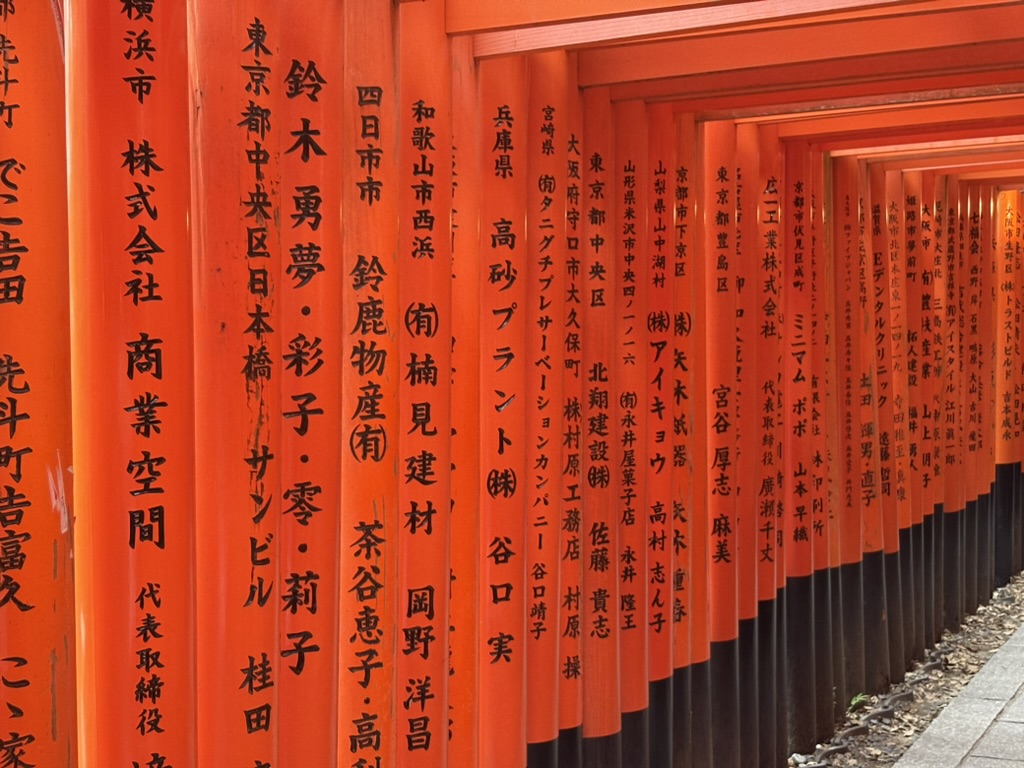
Families typically visit a Shinto shrine on November 15th (or a nearby weekend) to thank the gods for their children’s good health and to pray for their continued well-being and future happiness. Children are often dressed in traditional kimonos for the occasion and receive chitose ame (“thousand-year candy”), a long, thin candy symbolizing a wish for a long and prosperous life. They are decorated in red and white colors which are considered lucky in Japan. Additionally, some even take professional photos in studios at these milestones.
This is a festival that is focused on gratitude, family bonds, and appreciation for growth. It reflects Japan’s blending of ancient tradition with modern life. It is so interesting to see how different cultures celebrate birthdays and coming-of-age ceremonies.

 Living in Culture
Leave a comment