In Venice, streets are made of water, doorsteps open onto canals, and the rhythm of daily life flows with the tides—making the city feel more like a dream than a destination. When I explain the city to children at Culture 4 Kids programs, they don’t believe it is real. “A city on water,” they ask, “How can that be real?”. I love telling kids about the city; it is one of my favorite and has such a unique story behind it.
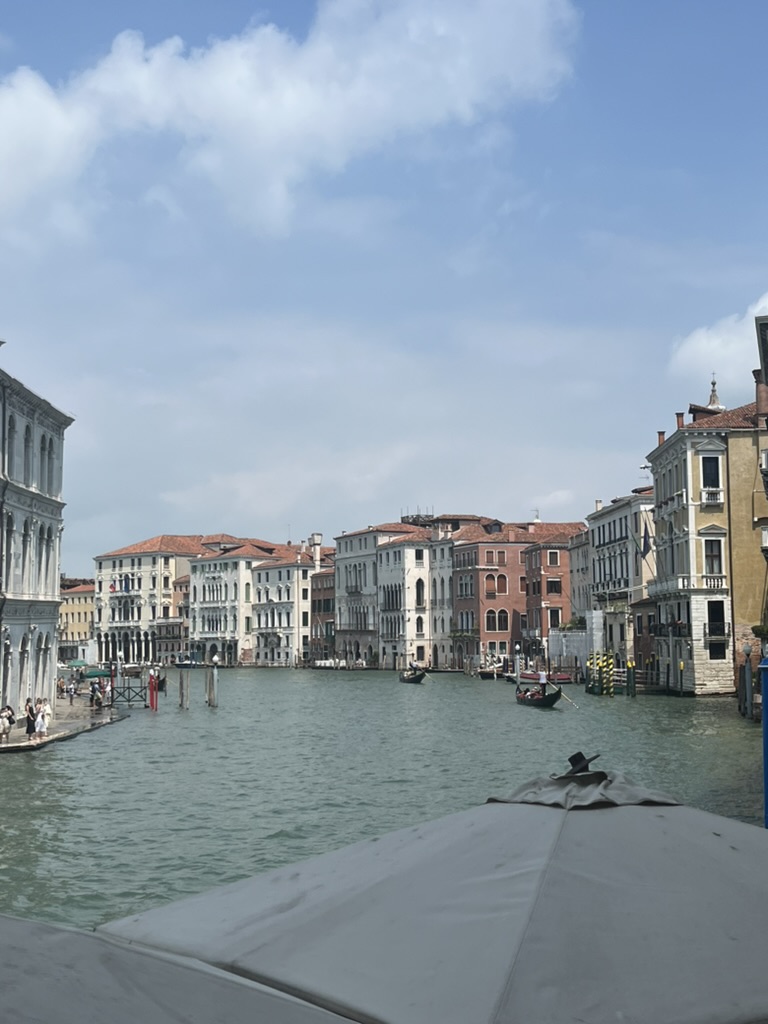
The floating city dates back 1,500 years, when it grew as a powerful republic. It was a hub of trade connecting Europe and the East. That is one reason the city was built on canals. Venice was built on canals primarily for defense and transportation. The city’s location in a lagoon, with its numerous islands and marshy areas, made it naturally defensible against invaders. Canals were then dug to connect these islands, providing waterways for transportation and trade, and allowing for efficient movement of goods and people throughout the city. Venice has architecture and art that reflect centuries of cultural exchange facilitated through trade. Many buildings have a combination of Venetian Gothic elements including the pointed Gothic arch with Byzantine and Islamic architectural elements. Venice shows how geography, history, and creativity shape a city’s identity, reminding us that culture is not just preserved in museums but lived daily in every canal and piazza.
Modern Day Venice
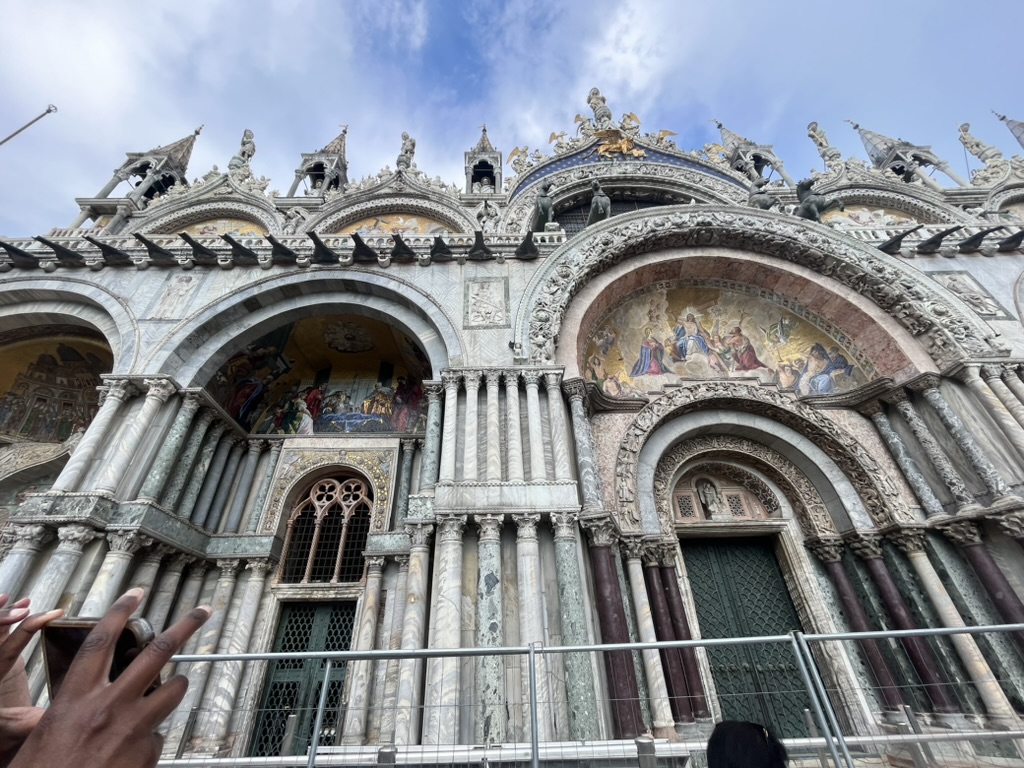
Venice sees approximately 20 to 30 million tourists annually. Many come for just a few hours, take a gondola ride, and grab a bit to eat, missing the true magic of the city. A main tourist destination is St. Mark’s Square where you can see the beautiful St. Mark’s Basilica, Doge’s Palace, the Campanile di San Marco (bell tower), and the Torre dell’Orologio (Clock Tower).
True locals, however, avoid those congested places and live in quieter districts, where small shops, markets, and cafes form the heart of neighborhood life. Locals and tourists alike enjoy Venice’s world-famous Carnival. It includes elaborate masks, historic costumes, and lively street performances celebrating centuries-old traditions. It can be described as the Italian version of Mardi Gras, as it takes place around the same time.
Food, Art, and Culture
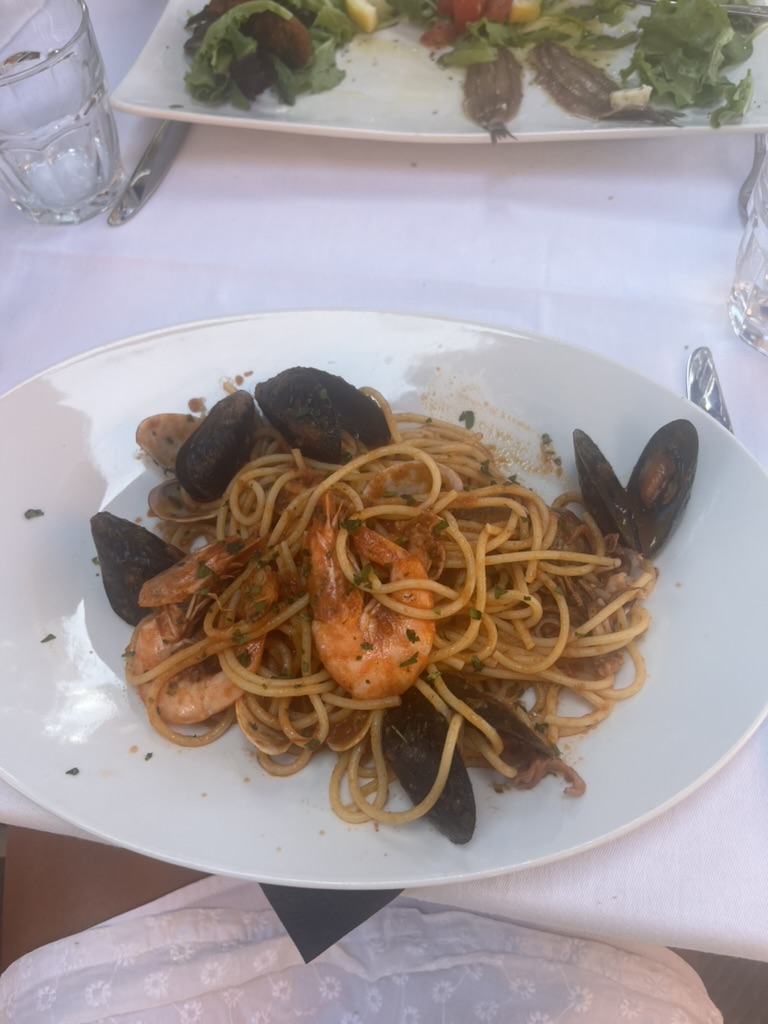
In Venice, seafood dominates menus as the fish is fresh and delicious. Popular dishes include Sarde in Saor (marinated sardines), Bigoli in Salsa (thick spaghetti with anchovy sauce), Baccalà Mantecato (creamed dried cod), and risotto al nero di seppia (squid ink risotto). Cicchetti, small savory bites similar to Spanish tapas, are also a staple, often enjoyed with drinks at bacari (wine bars).
Venice is home to stunning architecture, from Gothic palaces along the Grand Canal to the ornate mosaics of St. Mark’s Basilica. It encompasses a wide range of artistic expressions from historical masterpieces to contemporary creations. The city’s has a unique blend of Byzantine, Gothic, and Renaissance architecture. Additionally, the Venice Biennale is a prestigious international art exhibition held biannually that showcases contemporary art from around the globe. What better place to host this exhibition than a city with a unique blend of cultures.
Personal Experiences
I loved my time in Venice. I went in the summer of 2023, and it is still one of my favorite cities. We were there for just about three days, and we saw everything there is to see in the city. When we went on a gondola ride, our gondolier took us to the quieter parts of Venice where we cold see locals living their day-to-day life. The singing from the boats creates a beautiful soundtrack for the city, and nothing is better than enjoying delicious seafood right next to the soft movement of the canals. If you are planning a trip to Italy, do not skip Venice! The unique city landscape and incredibly kind people make it a spot you don’t want to miss!


 Living in Culture
Leave a comment