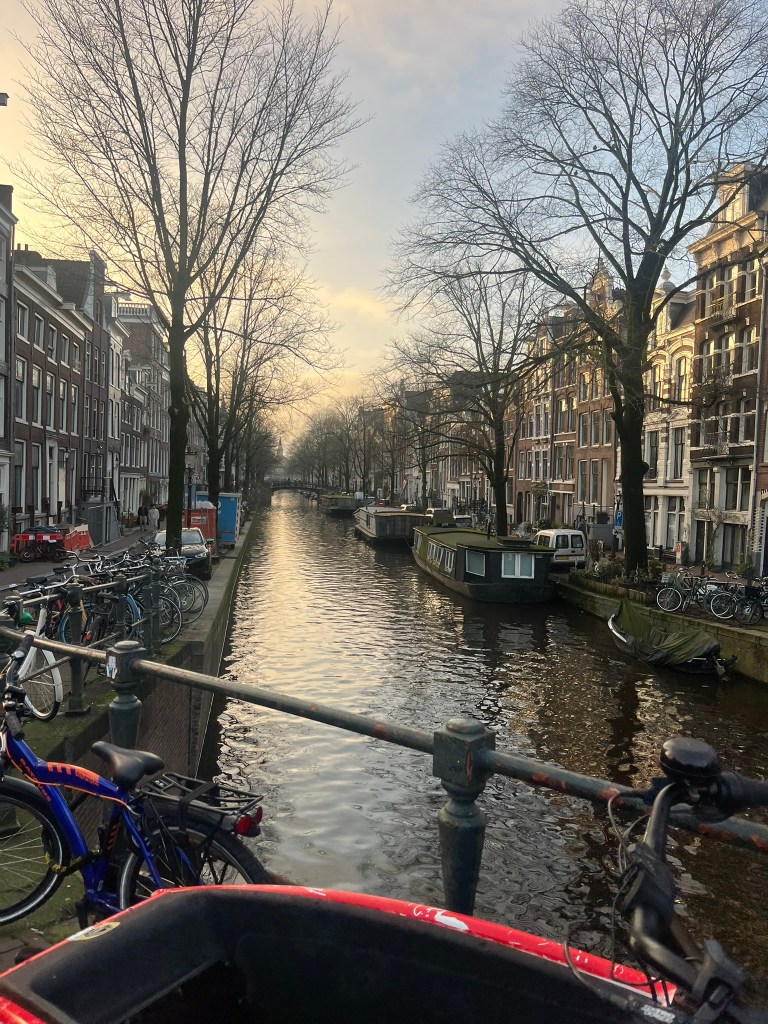
With its tilted houses, endless bicycles, and lively streets, Amsterdam feels at once historic and modern. Amsterdam has often been called the “Venice of the North,” but it has a character all its own. Where Venice dazzles with its ornate palaces and history of empire, Amsterdam tells a different story: one of merchants, artists, and ordinary people who transformed a marshy landscape into a thriving hub of trade and culture.
A City Shaped by Water
Amsterdam started as a small fishing town in the 12th century. However, by the 17th century, during the Dutch Golden Age, it became one of the world’s most important trading hubs. It has a famous grid of canals that were built during this time, creating a practical and beautiful city. The canals served as trade routes and transportation. Amsterdam became a center of culture and global exchange.
The city is full of narrow houses that have tall gabled roofs. Houses were designed this way to try to limit the tax that was placed on the building’s width. Due to their stature, many houses have hooks and pulleys on the outside that used to be used to transport traded good into boats, but now they can be used to transport furniture up the floors. Just like the buildings, the staircases are narrow as well, so if you are in Amsterdam and see a sofa being lifted into a house, don’t be alarmed!
Modern Day Amsterdam
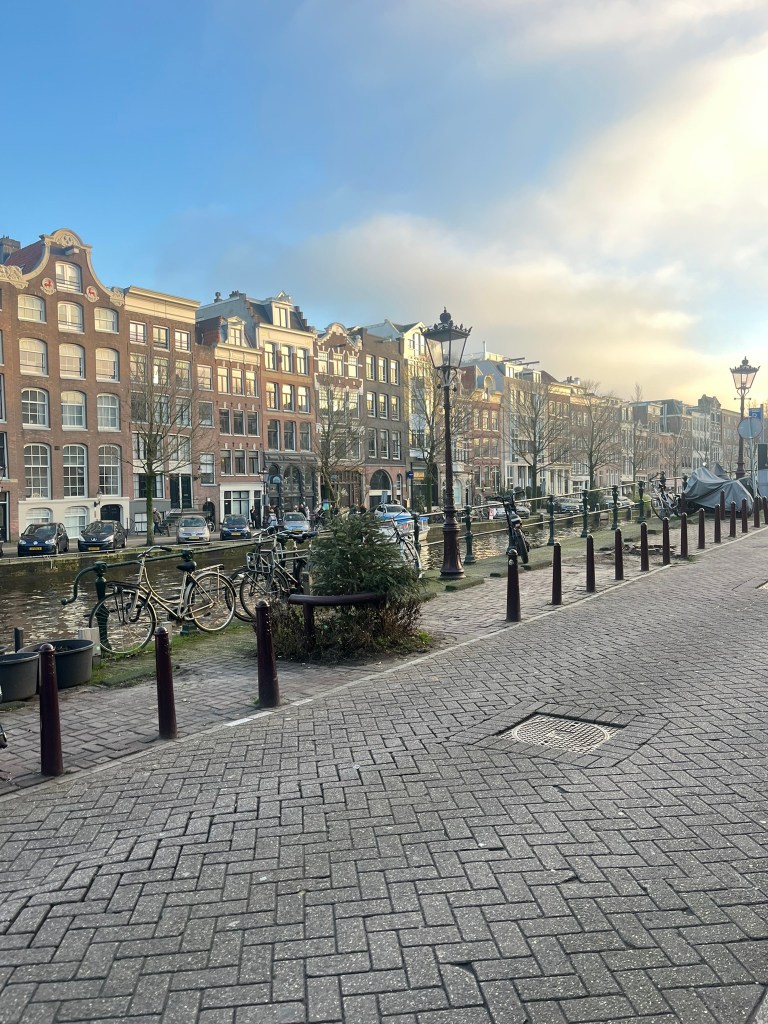
Today, Amsterdam attracts around 20 million visitors annually. Tourists often head straight to Dam Square, the Anne Frank House, or the Van Gogh Museum. Many also come in the spring and travel a little outside of the city to see the colorful tulips that fill the countryside.
Locals embrace the cycling lifestyle. Amsterdam is one of the most bike-friendly places in the world, as it houses over 800,000 bikes throughout the city. The city is also famous for Koningsdag (King’s Day), when everyone wears orange, boats crowd the canals, and the streets turn into one giant festival. Another annual festival in Amsterdam is their Light Festival. This happens in the winter when beautiful art and sculptures are placed in the canals. There are canal cruises you can take at night to see all aspects of the installation.
Food, Art, and Culture
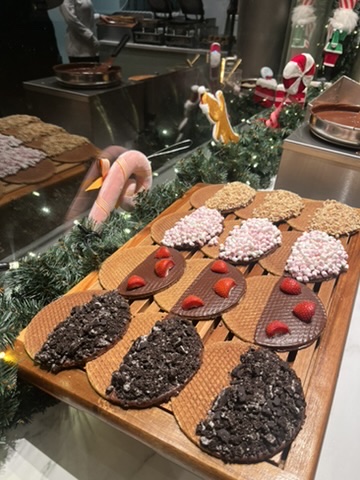
Amsterdam’s food scene is a reflection of both Dutch traditions and global influences. Local specialties include stroopwafels (thin waffles filled with caramel syrup), poffertjes (fluffy mini pancakes), and raw herring often served with onions. Indonesian food is also popular, a legacy of Dutch colonial history, with rijsttafel (“rice table”) offering a spread of small flavorful dishes.
The city also houses masterpieces by world-renowned artists. The Rijksmuseum houses masterpieces by Rembrandt and Vermeer, while the Van Gogh Museum celebrates one of the world’s most beloved painters. The modern art scene in Amsterdam is also thriving, as seen by their annual Light Festival.
Personal Experiences
I visited Amsterdam last winter and absolutely loved my trip. It was freezing cold, but that was just an excuse to get warm hot chocolate and poffertjes. We took canal cruises, visited the Anne Frank House, and saw beautiful pieces at both the Van Gogh Museum and the Rijksmuseum. As the festival takes place in the winter, we also saw the Light Festival which was so beautiful.
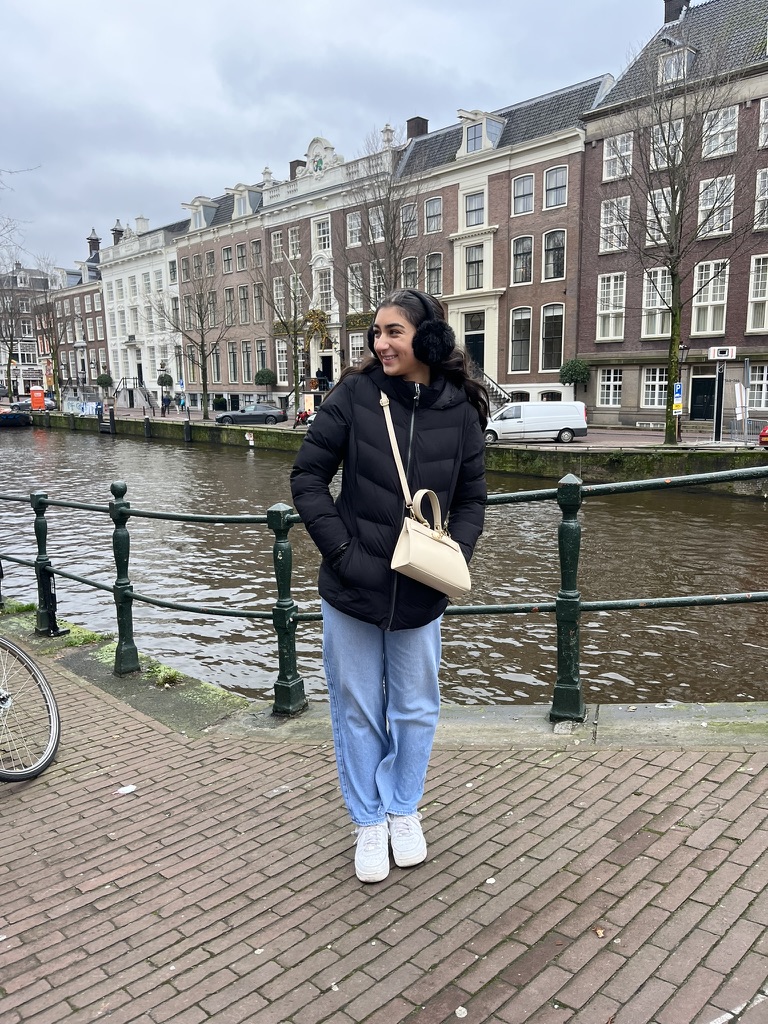
Amsterdam is a city where history and modern life blend seamlessly. Whether you’re exploring its canals, tasting its food, or biking past its colorful houses, it feels like a place out of a storybook. If you are planning a trip to Europe, Amsterdam is a city you simply cannot miss!

 Living in Culture
Leave a comment