I have been dancing since I was three years old, and it has become one of my greatest passions. Dance is not only a creative outlet for me but also a source of joy and expression. I train in jazz, tap, ballet, pointe, lyrical, and several other styles, each of which challenges me in different ways. Performing on stage is one of my favorite experiences. Beyond the art itself, dance has given me a community that I truly value.
The same is true for many around the world. Every community has its own unique styles, traditions, and stories told through movement. From classical forms that have been passed down for centuries to modern styles that bring people together today, dance connects people globally in the same way it connects me personally.
Below is information on three styles of dance from around the world: Hula from Hawaii, Irish Step Dance from Ireland, and Flamenco dancing from Spain.
The Art of Hula
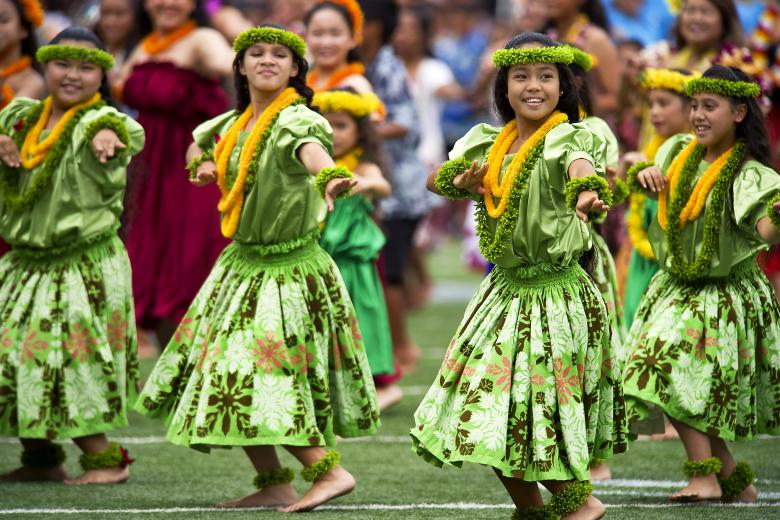
Hula embodies the spirit and history of Hawaiian culture. It is rooted in sacred tradition, and still today that continues to tell stories through movement and music. Originally, the hula was a religious dance performed by trained dancers before the king or ordinary people to promote fertility, honor the gods, or praise the chiefs. Most commonly, the movements use fluid arm movements, graceful hand gestures, and rhythmic hip sways to translate songs (mele) and chants (oli) into a visual performance.
There are two different types of hula dancing. Hula Kahiko is the ancient style. It has relatively simpler music and it accompanied by traditional instruments like calabash, seed-filled gourds, split bamboo sticks, stone castanets, and pahu drums. On the other hand, Hula ʻAuana is the more modern style. It is story-driven and uses graceful movements. Musically, it draws from Western traditions, featuring instruments like the ukulele and steel guitar. This style is more common but both are equally beautiful.
Fast Feet in Irish Dancing
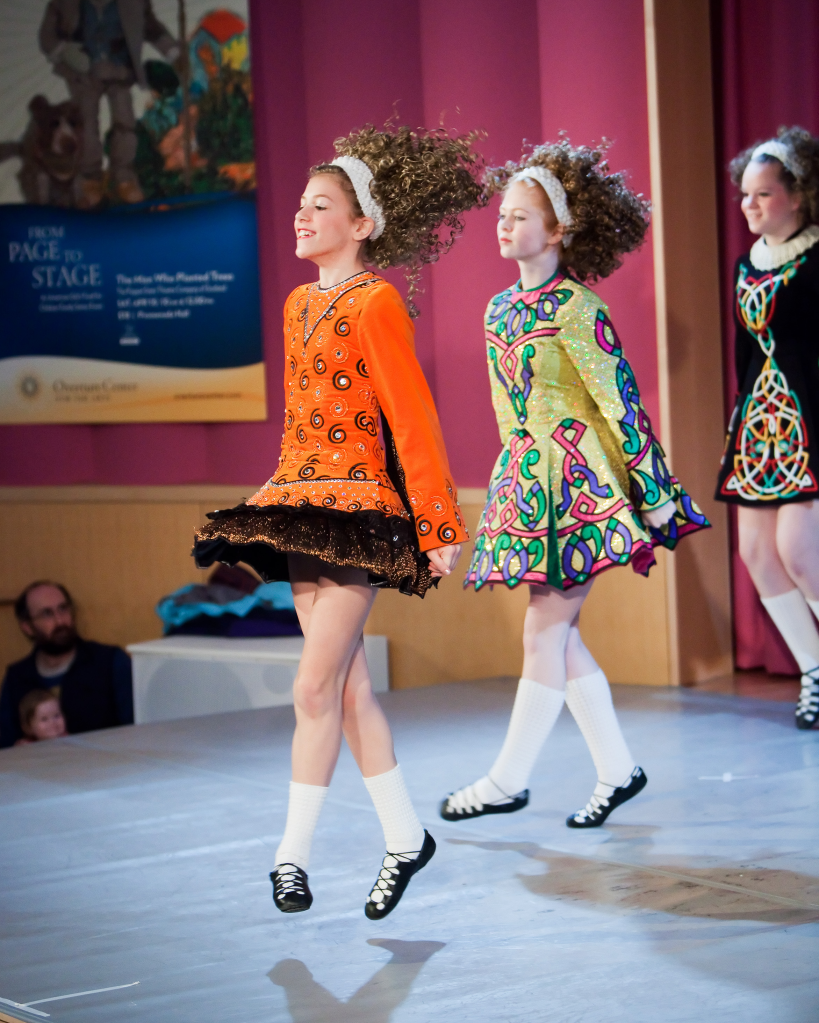
There are no clear origins of Irish dancing, and it may have started before 1413 but that is when the first documented evidence is. It’s likely that Irish dance developed alongside Irish music. Additionally, its’s thought that it was influenced by other dance forms from continental Europe, such as the Quadrille. This dance is a square dance, performed by four couples in a set, similar to American square dancing.
It was popular in the 18th and 19th century for the wealthy, but as time went on to spread to all classes. Now, there are many unique types of Irish dancing. The three most popular types of Irish dance are Step Dancing, Céilí Dancing, and Set Dancing. Irish Step Dancing is characterized by a stiff upper body and fast and precise movements of the feet, and can be performed solo or in groups. Shows like Riverdance feature this style of dance. On the other hand, Céilí and Set dancing are both forms of social, group-oriented dancing that differ in their formation and steps. Today, Irish dancing is very popular, and classes are offered internationally.
Spain’s Fiery Flamenco
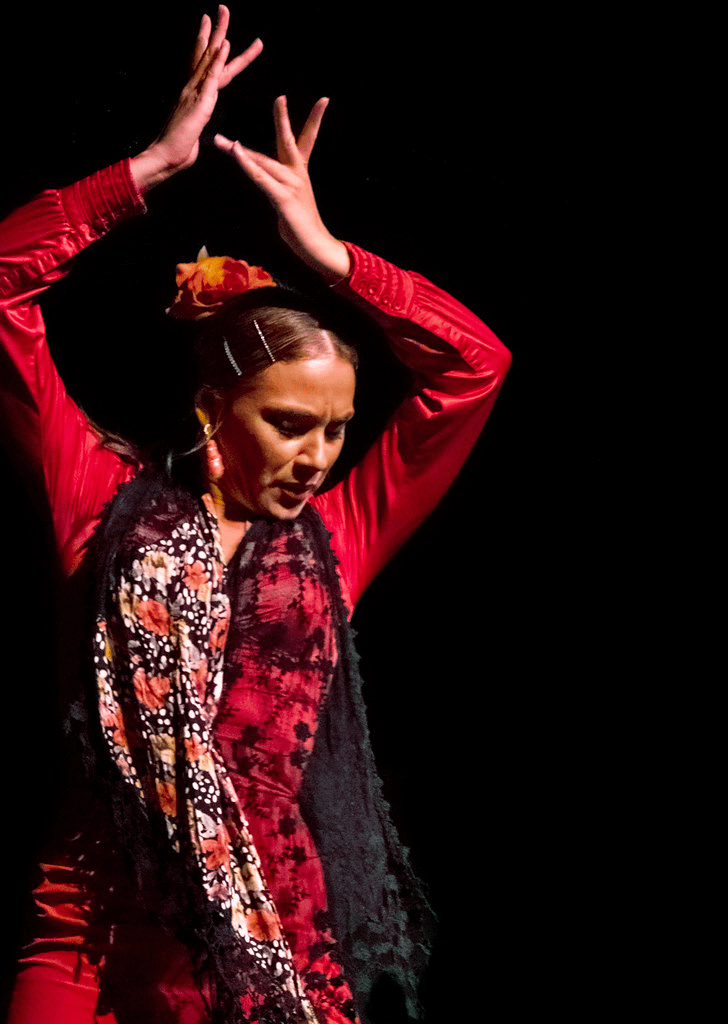
Developed in Andalusia in southern Spain, through a mix of cultural influences, Flamenco is a popular style of dance in Spain. It combines song (cante), guitar (toque), and dance (baile) into one art form. However, it began as unaccompanied singing, later added hand claps (palmas), percussive footwork, and guitar accompaniment. The relationship between movement and music is intricate to Flamenco. There are three categories of songs: cante jondo (“profound song,” or “deep song”), cante intermedio (“intermediate song,” also called cante flamenco), and cante chico (“light song”). Each song style is distinguished by a characteristic rhythm and chord structure.
The baile is always accompanied with live music, but dance is the dominant element of the art form. The flamenco dancer—bailaor (male) or bailaora (female)—embodies a sensuous, highly stylized performance that combines flowing arm movements (braceo), articulate hand and finger gestures (florea), intricate footwork (zapateado), and dramatic heel striking (taconeo). There are partnered and solo aspects throughout the performance. Male dancers typically emphasize complex footwork, while female dancers accentuate grace and expression through torso, arm, and hand movements, often adorned in elaborate ruffled dresses. The style is very emotional and incredible to see live.

 Living in Culture
Leave a comment