Each culture has a unique set of foods that are important to it. In most cases, food represents sets of traditions passed down from generation to generation, connections, and memories. Below are some foods that are central to different cultures. I picked foods that I had never heard of and would love to try, but as you read, don’t forget that food holds the same value in most cultures.
Injera – Ethiopia & Eritrea
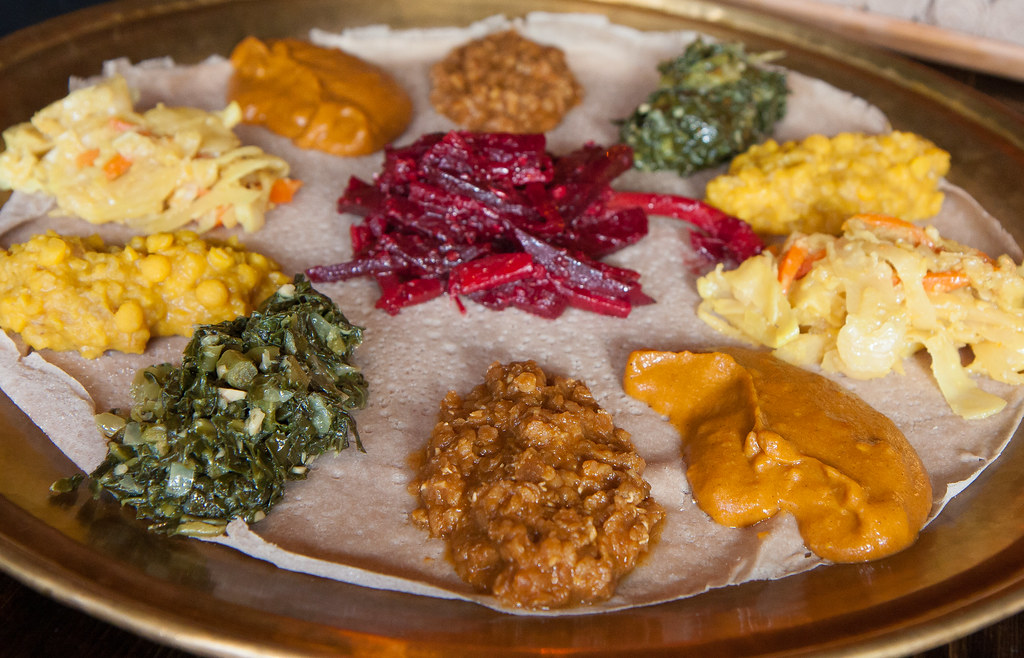
At first glance, injera looks like a large, spongy pancake. But in Ethiopian and Eritrean culture, it’s so much more, it’s the centerpiece of nearly every meal. It is made from teff flour and has a tangy flavor and soft texture. It is similar to a French crêpe. What makes it unique is that it doubles as both plate and utensil: stews, lentils, and meats are served on top, and diners tear off pieces of injera to scoop up bites. Sharing one large injera is a tradition that emphasizes community and togetherness.
Feijoada – Brazil
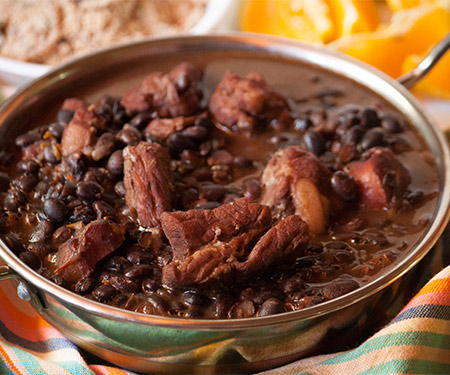
Commonly known as Brazil’s national dish, feijoada is a slow-cooked stew of black beans, pork, and spices. It’s hearty, comforting, and often served with rice, greens, and orange slices. It is more than just a meal: feijoada represents Brazil’s blending of cultures, with roots in Portuguese colonization and African culinary traditions. Families and friends often gather for feijoada on weekends, turning the dish into a celebration of Brazilian hospitality.
Kimchi – Korea

If you’ve ever eaten Korean food, you’ve probably seen kimchi. It is a mix of fermented cabbage, radish, and seasoned with a mixture of ingredients including garlic, ginger, chili pepper flakes (gochugaru), and salt. Kimchi may ferment for a few days to several weeks, depending on personal preference and temperature. But kimchi is more than just a side dish; it’s a symbol of Korean heritage. The tradition of kimjang, making large batches of kimchi in the late autumn or early winter to prepare for the winter months, was recognized by UNESCO as an important piece of cultural heritage. Each family has its own recipe, and passing it down is a way of preserving identity across generations.
Pavlova – New Zealand & Australia

Light, airy, and sweet, pavlova is a dessert made from meringue, topped with whipped cream and fresh fruit. It’s a favorite at summer gatherings and holidays. What makes pavlova especially interesting is the friendly rivalry between New Zealand and Australia, both claiming to have invented it. The dessert is named after the Russian ballerina Anna Pavlova, who toured both countries in the 1920s because it was created in her honor. The toppings can differ slightly by country, but both rely on whipped cream and fresh fruit. In New Zeazland, it is often topped with kiwifruit and fresh berries, whereas in Australia, they typically uses passionfruit and sometimes include mangoes. Regardless of who made it first, pavlova is a dish tied to celebration, joy, and national pride.
Borscht – Ukraine & Eastern Europe
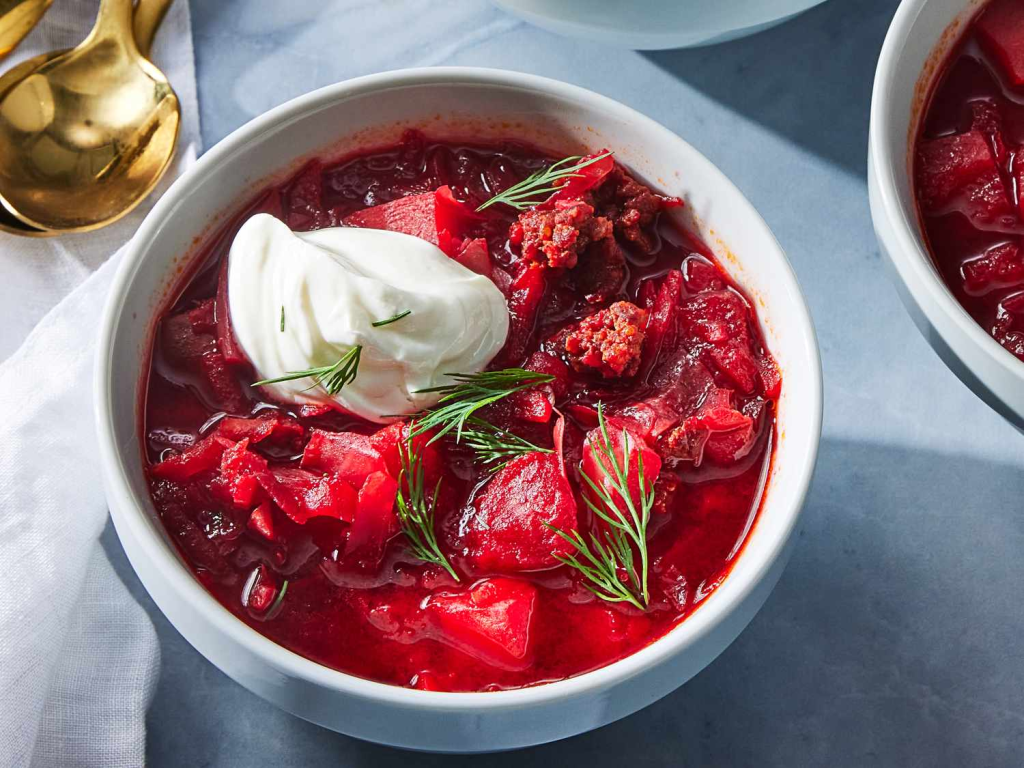
Borscht is a vibrant beet soup, often served hot with a dollop of sour cream. While there are countless variations across Eastern Europe, in Ukraine it holds a special place as a symbol of home, resilience, and community. It’s constant presence on Ukrainian tables helped people persist through centuries of adversity. Families pass down recipes from generation to generation, and it’s often prepared for holidays and family gatherings. Its bold red color and earthy taste make it both distinctive and comforting, showing how food can embody one’s spirit.
Final Thoughts
Trying new foods means tasting more than just flavors, it’s experiencing history, tradition, and identity in every bite. From the communal nature of injera to the celebratory sweetness of pavlova, food is one of the most delicious ways cultures tell their stories.

 Living in Culture
Leave a comment