Anthropology, the study of human societies and cultures, has been shaped by the work of remarkable thinkers across generations. These trailblazers have transformed how we view the human experience. This list highlights five, of the many influential figures whose ideas have left a lasting mark on the field.
A great anthropologists is someone who is open minded and willing to learn from other cultures. They can analyze data critically, and have great communication skills. However, the most important quality they should poses is respect of the unique cultures they study.
Margaret Mead
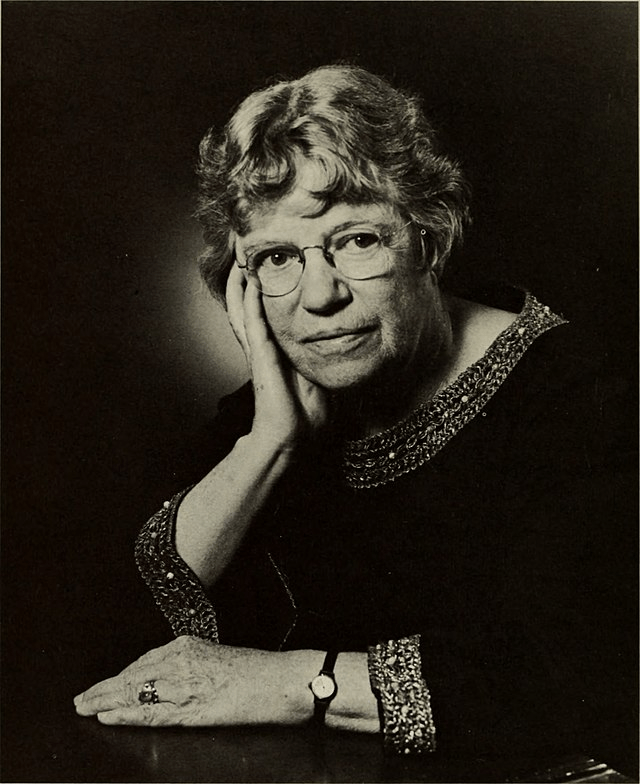
Margaret Mead (born 1901 in Philadelphia, Pennsylvania) was an American anthropologist whose groundbreaking work studying various cultures worldwide had a lasting impact on how people understand culture and society. She taught at various universities after graduating from Barnard College and Columbia University as a graduate student. Additionally, she served as a curator at the American Museum of Natural History and the president of various organizations, including the American Anthropology Association.
Mead’s influence stemmed not only from her scientific work, but also, from her dynamic presence. She began her fieldwork in Oceania with a focus on a variety of topics, including women’s rights, race relations, population control, and many more. In Oceania, she gained the knowledge to author her first of 23 books, Coming of Age in Samoa. The book details her belief in cultural determinism – the theory that human behavior is determined by culture rather than biology. It also challenged Western ideas about teenage behavior and sexuality. Through her many books she brought anthropology to the general public and advocated for across-cultural understanding and social change. In 1979, Mead was posthumously awarded the Presidential Medal of Freedom for her outstanding academic and public work.
Franz Boas

Commonly known as the “Father of American Anthropology,” Franz Boas was a German-born American anthropologist who transformed the way people study culture, race, and humanity. He helped to found the American Anthropological Association and establish anthropology as a scientific field in the United States. Additionally, he mentored many well-known anthropologists, including Ruth Benedict and Margaret Mead.
Boas disagreed with other scholars who believed that societies developed directly from “primitive” to “advanced” with no variation. He said each culture is shaped by its unique history, and no culture is better than another (historical particularism). Furthermore, he introduced cultural relativism- the belief that you must understand a culture on its own terms, not by comparing it to your own. Also, he helped to fight scientific racism using scientific data and laid the foundation for understanding human diversity. Not only did he help create the four-field approach to studying anthropology, but overall, anthropology became a serious academic field of study because of him.
Claude Lévi-Strauss
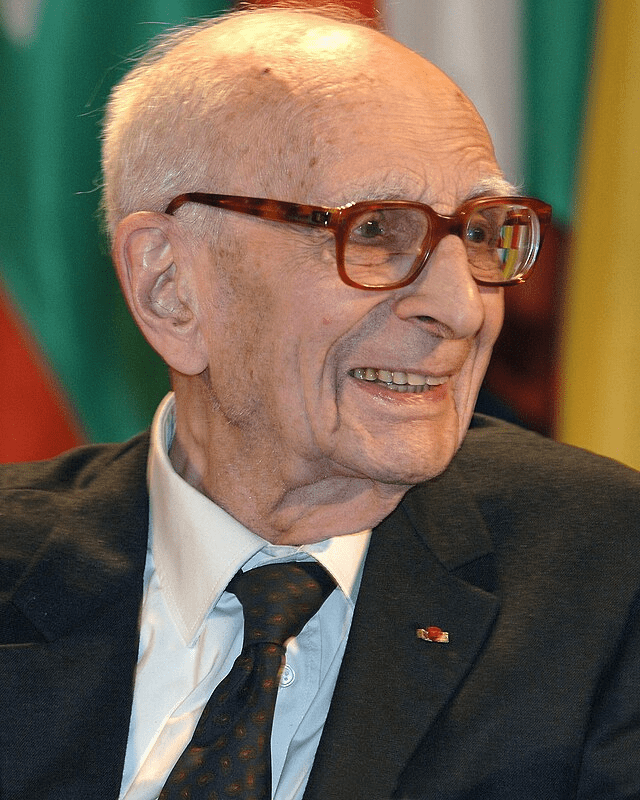
Claude Lévi-Strauss was a French social anthropologist best known for his development of structuralism. That is the idea that all cultures are shaped by deep, universal patterns in human thinking, and those patterns influence the way people form social systems and traditions. Lévi-Strauss gained popularity from his autobiography, A World on the Wane, where he critiques Western colonialism. He went on to write many other works, including books and essays.
Cross-disciplinary work is another thing Lévi-Strauss is known for. He transformed how anthropology interacts with language, literature, and philosophy. Additionally, his theories reshaped the field of anthropology into a systematic discipline grounded in cross-cultural comparison. Claude Lévi-Strauss lived to be 100 years old, and when he died, French President Nicolas Sarkozy described him as “one of the greatest ethnologists of all time”. During his lifetime, he also received honors like the CNRS Gold Medal and was elected to the Académie Française.

 Living in Culture
Leave a comment