As the weather gets colder and the sun sets earlier, unique holiday traditions are coming soon or have just passed for many cultures. Each part of the world has something to look forward to in these autumn months, ranging from trick-or-treating or celebrating the festival of lights.
Halloween

In the United States and an increasing number of countries in Europe, children dress up in costumes of their favorite characters and trick-or-treat around their neighborhood. After four o’clock in the afternoon, you will see children running down the neighborhood filling pillow cases with candy. In many schools, you would have a Halloween parade to show off your costumes, then a half-day to maximize time trick-or-treating.
Halloween originated from the ancient Celtic festival of Samhain, which marked the end of the harvest season. In the eighth century A.D., the Pope designated November 1st as All Saints Day, and eventually, the night before became All Hallows Eve or Halloween.
El Día De Los Muertos
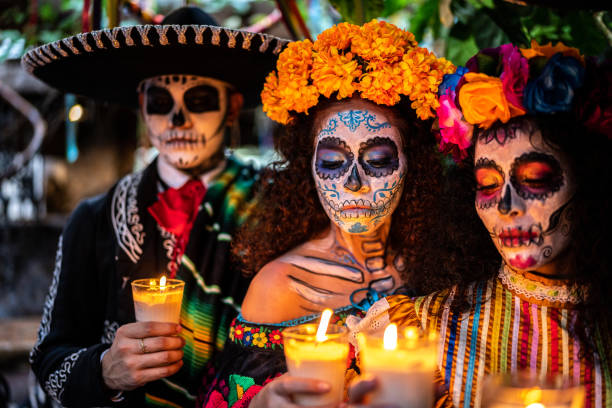
El Día De Los Muertos, also known as Day of the Dead, is a holiday that originated in Mexico. This year, the holiday takes place from November 1st to November 2nd, but in some rural areas celebrations begin on October 28th. The holiday dates back to the Aztec beliefs about 3,000 years ago. The Aztecs believed that souls would travel to Chicunamictlán, the Land of the Dead. Then, when the Spanish colonized the land, the holiday was merged with Catholicism, so the holiday was moved to coincide with All Saints’ Day.
Now, El Día De Los Muertos is celebrated by creating altars, or ofrendas. Leaving offerings at these altars is inspired by the Aztec belief that the living should provide for the dead. Often, people will make their loved one’s favorite foods and drinks. There are also many costumes accompanied with bright face painting. In public squares, you would find music, singing, and dancing, and papel picados, or paper banners, to represent the wind.
Diwalli
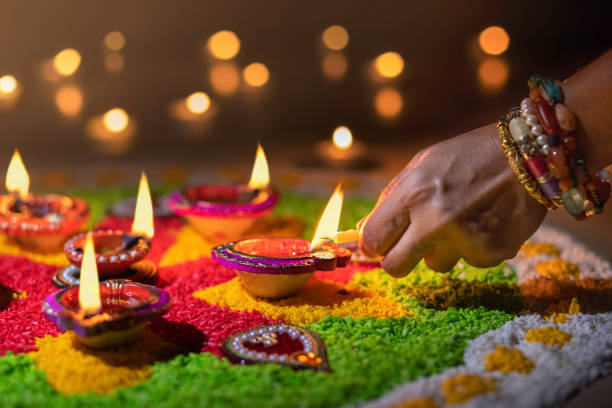
Diwalli, translated to “the festival of lights” from Hindi is a five-day festival celebrated between October and November every year, depending on the Hindu lunar calendar. The holiday has a different meaning to different regions in Asia. For example, to Hindus the festival represents the triumph of light over darkness, good over evil, and knowledge over ignorance. Additionally, Diwali has other meanings including celebrating the return of Lord Rama and his wife Sita to the ancient Indian city of Ayodhya.
Now, millions worldwide celebrate Diwali through festive gatherings, fireworks, feasts, and prayer. Homes are decorated with rangolis, designs made with powdered materials and diyas, small clay lamps representing prosperity, purity, and goodness.
Oktoberfest
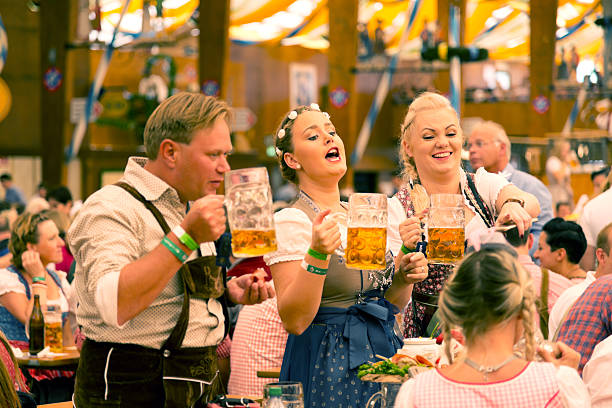
Oktoberfest, despite it’s name, often falls between September and October, this year the festival falling from September 21st to October 6th. This festival is known for the amount of beer consumed, but it originally celebrates the culture of Bavaria, the German state where many of the festivities take place.
The festivities orginated in Munich, but have spread all over the world. Many tourists travel to Germany to experience the original Oktoberfest. The celebration includes a feast of traditional German food, Bavarian music, parades, carnival rides, and of course, beer.
Yom Kippur
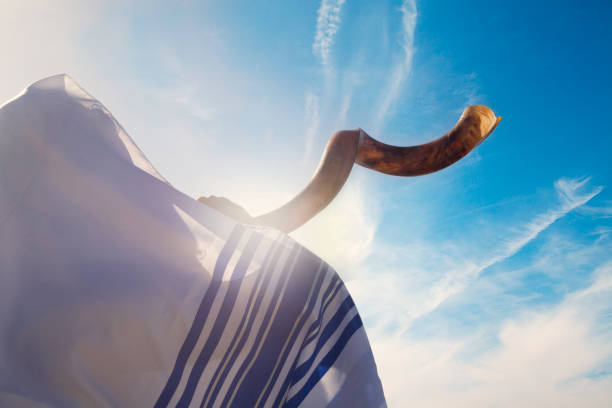
Yom Kippur is considered one of the most sacred holidays in Judaism. It falls between late September and mid-October, ten days after Rosh Hashanah, the Jewish New Year. “Yom Kippur” is Hebrew for Day of Atonement, so on this day many fast and avoid work to dedicate their day to prayer and reflecting and repenting on their sins.
Some sources say that Yom Kippur dates back to 1400 B.C.E, during the Israelites’ journey from Egypt to the Promised Land in the Sinai Desert. At the Temple in Jerusalem, the High Priest, or kohen gadol, performs rituals and sacrifices in honor of the holiday. Temple services include Torah readings and penitential prayers.

 Living in Culture
Leave a comment