What is your favorite color is a question we have all heard so many times. As little kids, we may gravitate towards ones that we think look pretty, but as we grow, colors may start to carry more significance and meaning in our lives. For example, I always associate yellow with happiness and sunshine, which is one of the reasons why it is one of my favorite colors. What’s interesting is that these associations aren’t just personal—they can be cultural, too. Around the world, colors carry powerful meanings that shape traditions, celebrations, and even emotions.
Red- Passion, Power, and Prosperity
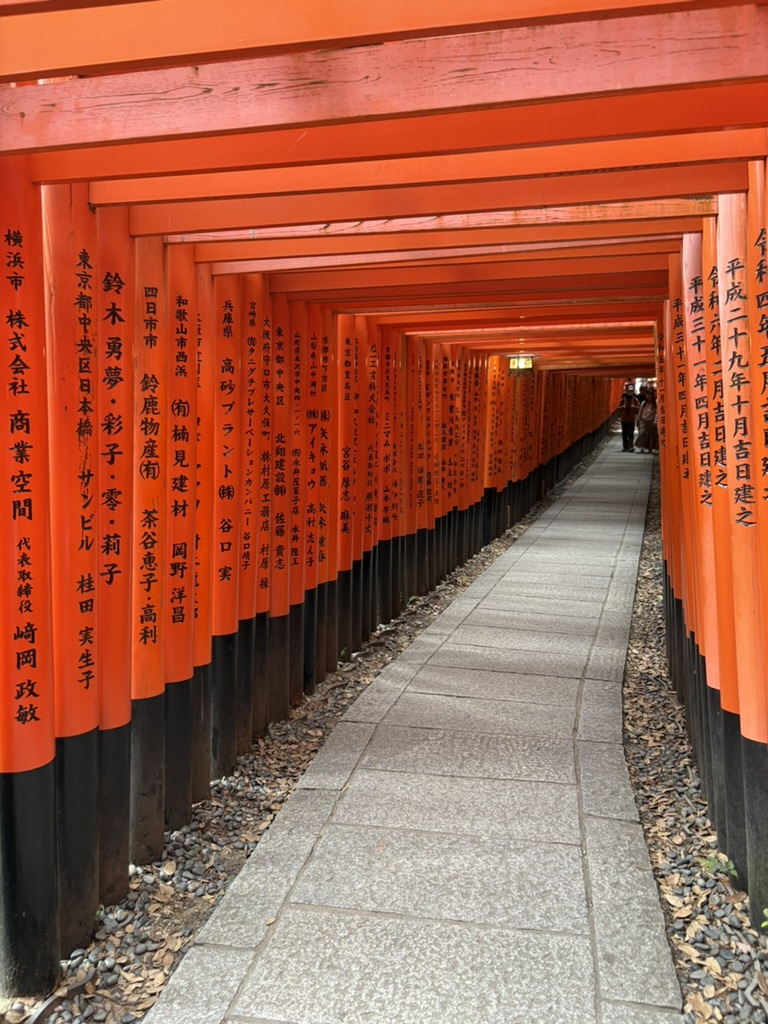
Red carries many connotations in across different cultures. In China, red is the color of good luck, happiness, and celebrations. It is often tied to wedding attire and Lunar New Year. On Lunar New Year, red envelopes filled with money are given to family and friends to symbolize luck and prosperity in the new year. Across the globe, red almost always evokes strong emotions. In Western cultures, red often symbolizes love, passion, and danger. In South Africa, red can be tied to mourning. Red is associated with purity in India. A bride often wears a red wedding dress because it symbolizes auspiciousness, fertility, love, and prosperity in Hindu culture.
White- Mourning and Purity

White has multiple meanings, but they are very different. In Western cultures, white often represents purity and innocence. Brides normally wear white on their wedding day for this reason. In a juxtaposition, white can often symbolize death, mourning, and humility in many Asian cultures. Specifically, in India and other parts of Asia, white is worn at funerals. In Japan, white had a dual role. It represents sacredness in Shinto rituals but can be associated with death in other contexts.
Green – Nature, Faith, and Fertility

The first thing I think of when I think of green is nature and a lush landscape. For me, green carries a connotation similar to its meaning in Western cultures. It is connected to nature and renewal. However, it may be tied to jealously, for example people may say green with envy. In China, green can also indicate infidelity. No man in China wears a green hat because it can often mean he is being cheated on by his wife. Green also carries a negative connotation in Indonesia. It is not forbidden by any means, but it is considered a taboo color and many strongly advise against wearing it, specifically on the southern coast of Java. There is a strong belief in the folklore surrounding Nyi Roro Kidul, the mythical ruler of the Southern Sea. This belief holds that wearing green might anger the goddess and cause someone to be swallowed by the ocean.
Purple – Royalty and Wealth
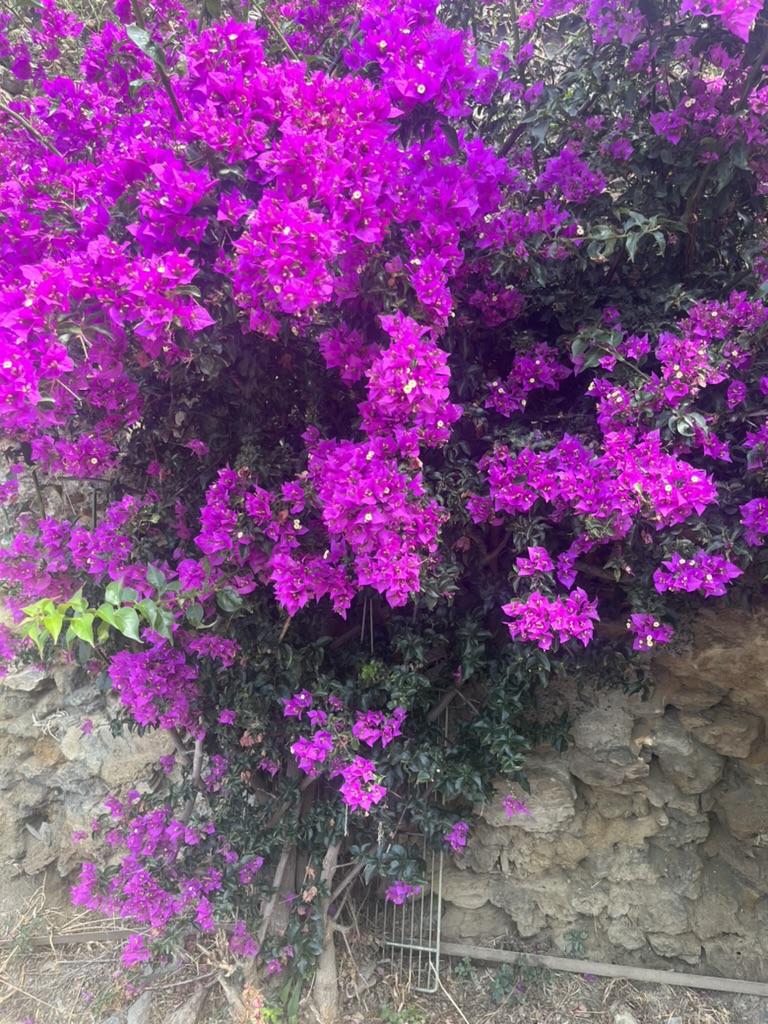
In ancient times, purple was an expensive color because of how challenging it was to create. The Phoenicians would extract parts of Murex Shells, and through a delicate process, they were able to turn them from a milky-white color to a deep purple. At one point, the Romans valued the color more than gold because it would take 10,000 of the Murex Shells to create just one gram of die. Following this pattern, many people and cultures have associated purple with wealth and royalty including those in Japan and various African countries. In Western Christianity, it is often used in religious ceremonies during Lent and Advent.

 Living in Culture
Leave a comment