In Dublin, history and humor meet on every corner. Lively pubs spill out with sounds of fiddles and laughter and cobblestone streets wind past colorful Georgian doors. THe city feels alive with stories, music, and the kindness of the people. Dublin may not have extensive canals like Venice or a huge landmark like the Big Ben in London, but it is a city that feels friendly, a place where strangers could become friends over a pint over the countries’ famous Guinness. Dublin is a small city with a big heart.
A City of History and Literature
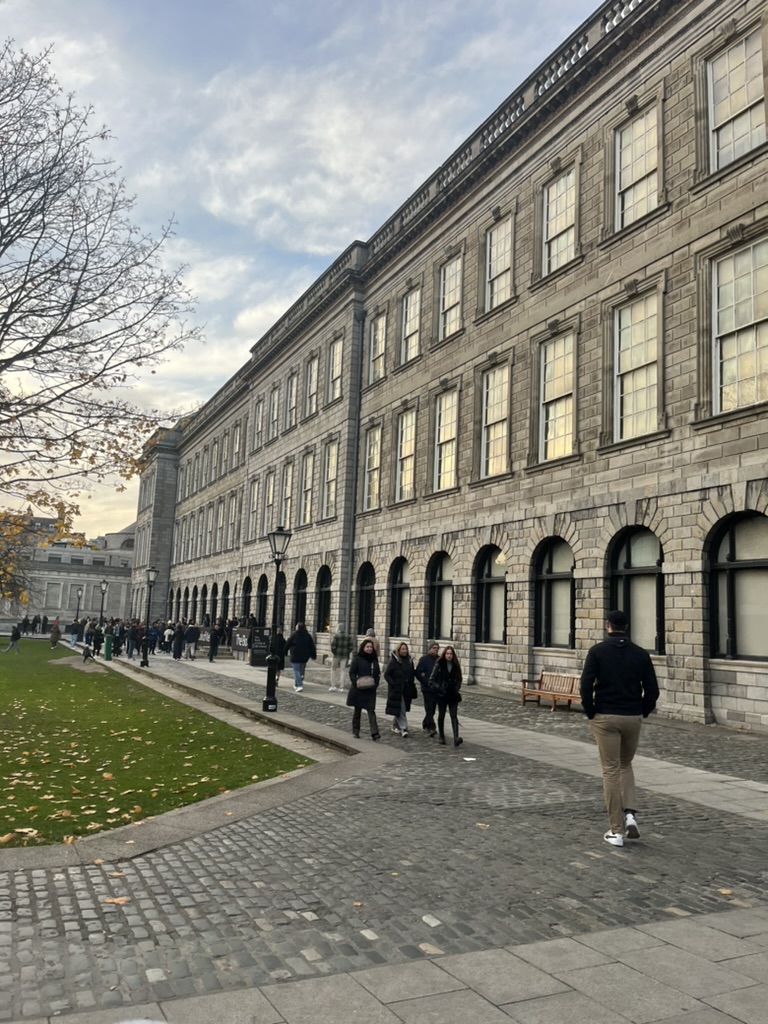
Dublin’s roots go back to the 9th century when it was established as a Viking settlement. Over the years, it grew into the political and cultural heart of Ireland. Today, the city has landmarks including Dublin Castle, Christ Church Cathedral, and Kilmainham Gaol that illustrate the city’s history.
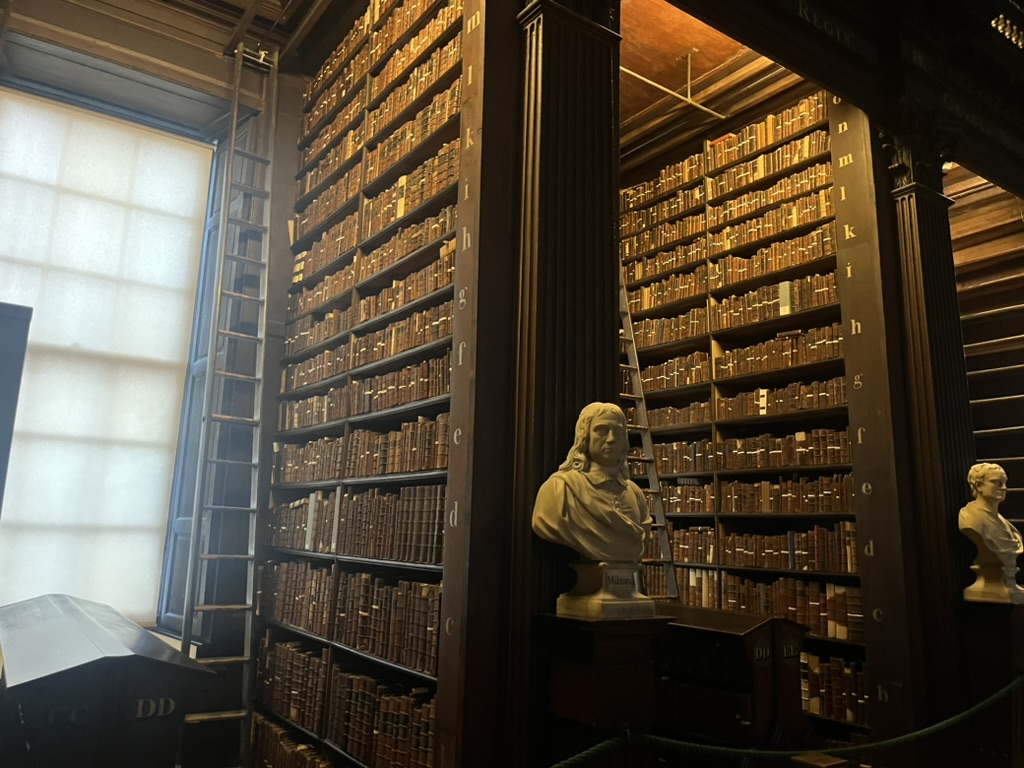
The city is also famous for its literature and writing. Some of the greatest writers like James Joyce, W.B. Yeats, Oscar Wilde, Samuel Beckett, and many more hail from Ireland. For book lovers, Trinity College is a must see as it is home to the Book of Kells (a 9th century illuminated manuscript) and millions of other works. The Long Room is the library’s most famous room. It was completed in 1732 and houses about 200,000 of the oldest books and manuscripts. Due to its literary legacy, Dublin was recognized as a UNESCO City of Literature.
Modern Day Dublin
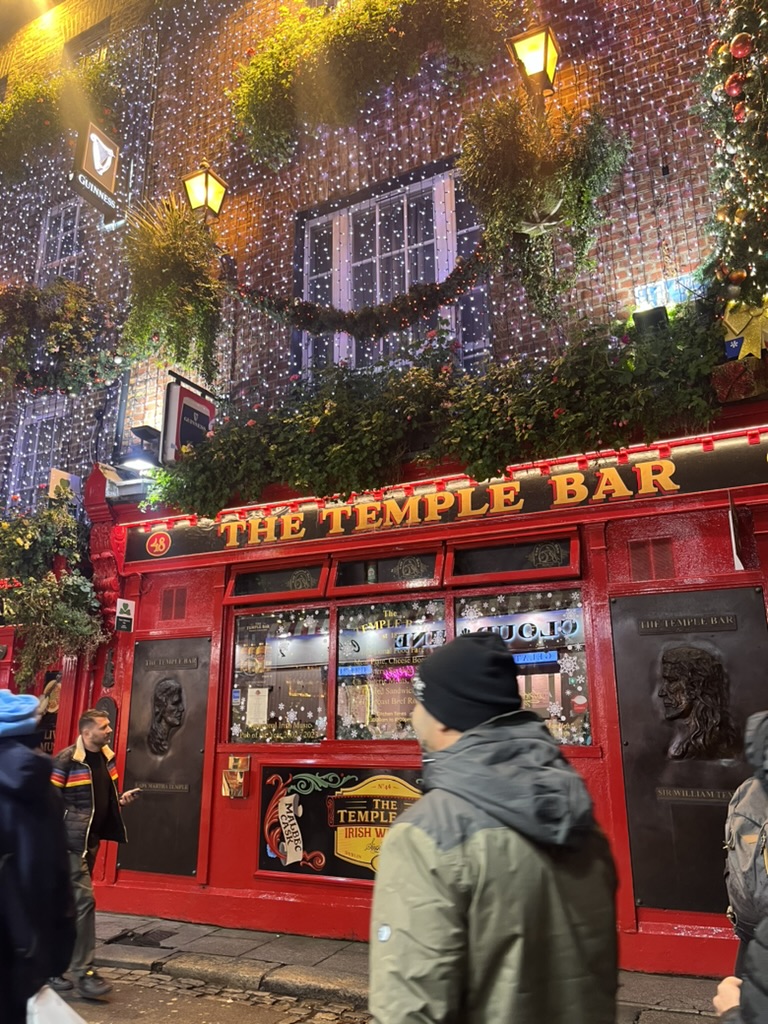
Today, Dublin is a lively and modern capital while still holding onto its traditional charm. The Temple Bar district, known for its music-filled pubs and cobblestone lanes, draws tourists, while locals often enjoy quieter spots along the Grand Canal or in leafy parks like St. Stephen’s Green.
One of the city’s most beloved traditions is Bloomsday on June 16th, celebrating James Joyce’s Ulysses. Participants dress in Edwardian clothes, read passages from the book, and retrace the steps of its characters. Another major celebration is St. Patrick’s Day, which Dublin hosts on a grand scale with parades, music, and dancing that draw visitors from all over the world.
Food, Art, and Culture
Traditional Irish food is simple, hearty, and comforting. Classics include Irish stew, soda bread, and colcannon (mashed potatoes with cabbage). Of course, Dublin is also home to the Guinness Storehouse, where visitors can learn the history of Ireland’s most famous stout and enjoy a pint with a panoramic view of the city.
The city’s cultural life is vibrant, with theaters such as the Abbey and the Gate continuing Ireland’s strong dramatic tradition. Dublin also embraces contemporary art, music, and film, making it a hub for both tradition and innovation. Street performers along Grafton Street fill the air with music, while festivals celebrate everything from folk music to international film. Irish dancing can be found throughout the city as skilled performers showcase their talent in the style that has roots in ancient Celtic dance.
My Visit
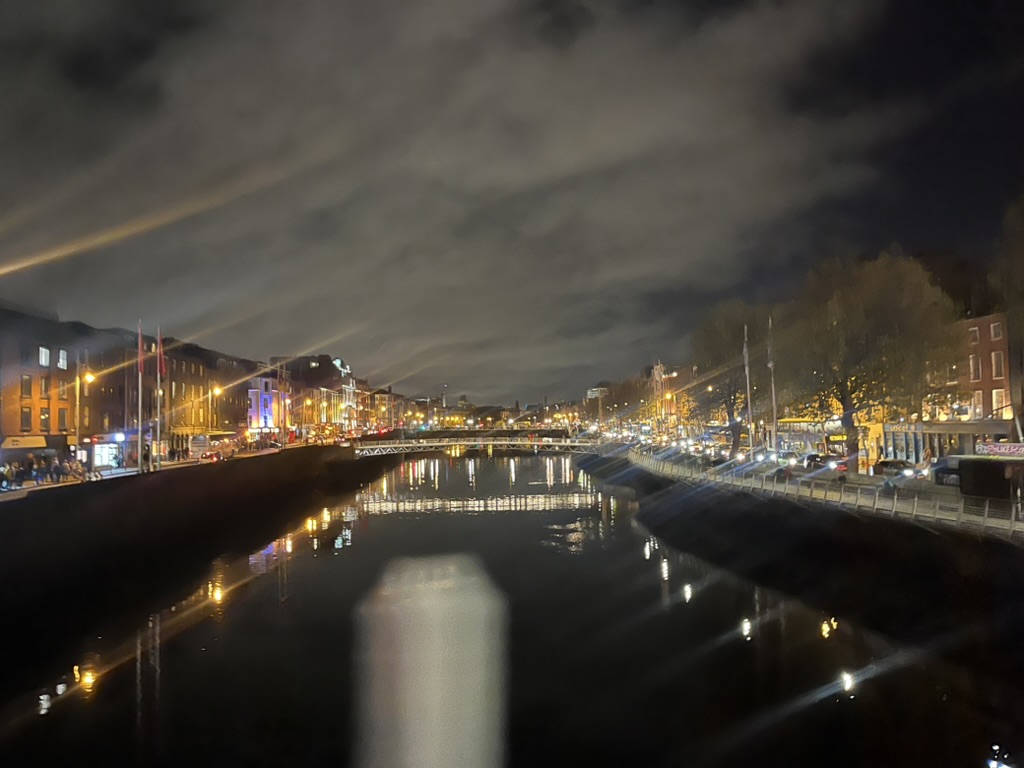
When I visited Dublin, I was struck by the friendliness of the people. Locals were quick to share directions, stories, or even a joke, and conversations felt effortless. I loved wandering along the River Liffey, stopping at markets, and spending evenings listening to live traditional music in the pubs. I also loved visiting the Trinity College Library. It felt like stepping back in time and being transported to the golden age of literature.
Dublin is a city that welcomes you in with warmth and sends you away with stories. It doesn’t just preserve its culture in museums or monuments—it lives it daily through music, literature, and community. If you are planning a trip to Ireland, Dublin is a city that will stay with you long after you leave.

 Living in Culture
Leave a comment